Top Room Style Ideas for Everyday Home Beauty
A beautiful room does not begin with expensive furniture. It begins with the small choices you repeat every day: where the light lands, how the sofa welcomes people in, what your shelves say when nobody explains them. The best room style ideas make a home feel cared for without turning it into a showroom. That matters because most people do not need a dramatic renovation; they need rooms that feel calmer, warmer, and easier to live in. Good design also has a quiet public side, because homes shape how people gather, rest, work, and share stories, which is why thoughtful lifestyle voices such as modern home storytelling often focus on the way spaces affect daily life. A room should not perform beauty for strangers while exhausting the person who lives there. It should hold your routines, forgive a little mess, and still look intentional when the day gets busy. Real style lives in that balance.
Choosing a Room Identity Before Buying Anything
A room loses its charm when every decision comes from impulse. One chair looks nice online, one rug catches your eye, one lamp feels like a bargain, and soon the space has five personalities fighting for attention. Strong rooms begin with identity, not shopping. Before color, furniture, or decor enters the conversation, you need to know what the room is supposed to do for your life.
How to define a room mood without making it stiff
A room mood should feel like a direction, not a prison. You might want a sitting room that feels slow and bookish, a bedroom that feels quiet and grounded, or a dining area that feels open and sociable. Those words matter more than a trend name because they help you judge every later choice with confidence.
Take a living room used by a family every evening. A glossy white coffee table may photograph well, but it fails if everyone feels nervous placing mugs on it. A softer wood table, washable fabric, and a lamp that throws warm light into the corners may serve the room better. Style becomes stronger when it respects how people actually behave.
The unexpected truth is that vague design goals often create rigid rooms. When you chase “modern” or “luxury” without defining what those words mean for you, you end up copying someone else’s comfort. A better test is simple: name the feeling you want before naming the object you want.
Why one visual anchor keeps a space from drifting
Every room needs one anchor that tells the eye where to begin. It may be a sofa, a bed, a dining table, a fireplace, a large artwork, or even a window with a strong view. Without that anchor, the room feels scattered, no matter how attractive the individual pieces are.
A small apartment living room gives a clear example. If the sofa is the anchor, the rug should support it, the side tables should serve it, and the lighting should help that area feel complete. When the television, bookshelf, accent chair, and plant all compete equally, the room starts to buzz. The eye needs somewhere to land.
This is where everyday home beauty becomes practical instead of decorative. A room with one strong center feels calmer because the brain does not have to sort through visual noise. The goal is not emptiness. The goal is order that feels relaxed.
Building Room Style Ideas Around Light, Color, and Texture
Once the room has an identity, the next layer is atmosphere. Light, color, and texture decide whether a room feels flat or alive. Many people spend months searching for the perfect furniture while ignoring the surfaces and shadows that make the furniture work. That is backwards. Room style ideas gain power when the room feels good before a single accessory is added.
How natural and layered light change the whole room
Light is the cheapest design lesson most people keep ignoring. A room with poor lighting can make beautiful furniture look tired, while a modest room with smart lighting can feel rich and settled. Start with daylight first. Notice when the room feels best, where shadows gather, and which corners seem forgotten by evening.
Layered lighting matters because one ceiling fixture cannot carry a whole room. A table lamp near a reading chair, a floor lamp beside a sofa, and a soft wall light near artwork can create separate pockets of comfort. The room stops feeling like one bright box and begins to feel lived in.
A common mistake is choosing bulbs that are too cold. Cool light can make a home feel like a waiting room, especially at night. Warm light softens edges, flatters natural materials, and helps people relax. The difference is not subtle once you see it.
Using color and texture without overwhelming the room
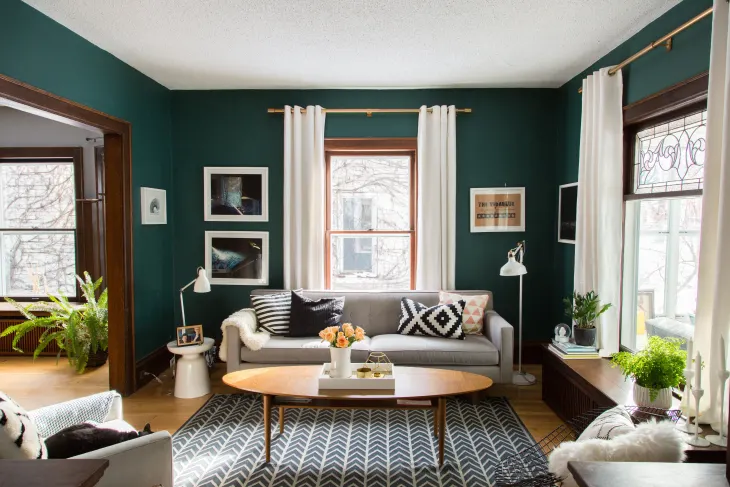
Color works best when it has a job. A deep green wall behind a bed can make a bedroom feel sheltered. A pale clay tone in a dining nook can make meals feel warmer. A soft off-white in a narrow hallway can keep the space from closing in. Random color is decoration; chosen color is direction.
Texture carries the part of style that color cannot. Linen curtains, woven baskets, matte ceramics, wool rugs, aged wood, and brushed metal all add depth without shouting. A room with only smooth surfaces feels thin, even if the palette is attractive. Texture gives the hand something to believe before the eye gets bored.
A good test is to stand at the doorway and squint. If the room turns into one flat block, it needs contrast in texture, scale, or tone. You do not need more stuff. You need more feeling in the materials already present.
Making Furniture Layout Serve Real Daily Life
Pretty rooms fail fast when the layout works against the people using them. A chair placed only for symmetry becomes a nuisance. A coffee table too far from the sofa becomes an island. A bed squeezed against poor circulation makes every morning slightly annoying. Layout is not glamorous, but it decides whether beauty survives contact with Tuesday.
Why movement paths matter more than perfect symmetry
Good layout starts with walking paths. People should move through a room without turning sideways, stepping around chair legs, or cutting through conversation zones. The room may look balanced from one angle, but if it interrupts movement, it will never feel natural.
A dining room shows this quickly. Chairs need room to slide back. People need space to pass behind seated guests. A sideboard should help serving, not block the flow between kitchen and table. When these details work, the room feels generous even if it is not large.
Symmetry has its place, especially around beds, fireplaces, and formal seating. Still, life does not always need perfect pairs. One large lamp can beat two weak ones. A single strong chair can add more character than matching seats. Balance is not the same as duplication.
How scale prevents rooms from feeling awkward
Scale is the silent reason some rooms feel wrong. A tiny rug under a large sofa makes the seating area look like it is floating. A massive sectional in a narrow room turns comfort into crowding. A slim console under a huge wall can look nervous and unfinished.
Measure before buying, but also measure visually. A low sofa may need taller art above it. A chunky coffee table may need lighter side tables nearby. A tall bookcase may need a grounded rug so the room does not feel top-heavy. Each piece talks to the others through size.
The counterintuitive move is to choose fewer larger pieces instead of many smaller ones. Small rooms do not always need small furniture. They need right-sized furniture with breathing space around it. A confident sofa, one useful table, and one tall lamp can make a compact room feel calmer than six timid pieces scattered around.
Adding Personal Details Without Creating Visual Clutter
The final layer is personality, and this is where many rooms either come alive or fall apart. A home without personal detail feels staged. A home with too many unedited details feels restless. The sweet spot sits between memory and restraint, where objects carry meaning without demanding constant attention.
How decor tells a story when you edit it well
Decor should reveal something specific about the person who lives there. A framed travel sketch, a stack of well-read books, a handmade bowl, or a photograph from an ordinary day can say more than a cart full of matching accessories. The best pieces feel collected by life, not assigned by a catalog.
Editing makes those pieces stronger. Five meaningful objects on a shelf can disappear if surrounded by twenty fillers. Give special items room to breathe. A small ceramic vase beside a worn book and a low plant may create more warmth than a crowded display of unrelated objects.
This is where taste becomes discipline. You do not honor memories by displaying all of them at once. You honor them by choosing the few that still speak clearly in the room you live in now.
Why seasonal changes should be small, not theatrical
Seasonal styling works best when it changes the room’s mood without taking over the room’s identity. Swap a heavy throw for a lighter cotton one. Bring in a branch, a bowl of citrus, darker cushion covers, or a different table arrangement. Small shifts feel more grown-up than dramatic themed makeovers.
A bedroom can change from summer to winter with bedding weight, bedside flowers, and lamp warmth. The furniture stays steady, but the emotional temperature changes. That kind of seasonal movement keeps a room fresh without making you rebuild it every few months.
The smartest room style ideas leave space for life to keep happening. Your home should welcome a new book on the table, a jacket on the chair, or flowers from the market without collapsing into chaos. Style that cannot handle real life is not style. It is set design.
A beautiful home is not finished when every corner looks perfect. It becomes stronger when each room supports the way you move, rest, host, think, and recover. The most lasting room style ideas come from paying attention before spending money, then choosing pieces that serve both mood and use. Start with one room, name the feeling you want from it, remove what fights that feeling, and adjust the light before buying anything new. That one decision will teach you more than a dozen trend boards. Build rooms that make your ordinary days feel considered, and your home will stop chasing beauty because it will already be living inside it.
Frequently Asked Questions
What are the best room style ideas for a small home?
Choose fewer pieces with better scale, keep walking paths open, and use layered lighting to create depth. A small home feels better when every item has a reason to stay. Avoid filling corners out of guilt; empty space can make the whole room feel calmer.
How can I make a room look stylish on a budget?
Start by editing what you already own, then improve lighting, textiles, and layout. A better lamp, a larger rug, or cleaner shelf styling can change a room faster than new furniture. Budget style comes from sharper choices, not from buying more.
What colors work best for everyday home beauty?
Warm neutrals, soft greens, muted blues, clay tones, and gentle off-whites work well because they support daily living without tiring the eye. The best color depends on light, room size, and mood. Test paint on the wall before committing.
How do I choose the right furniture layout for a room?
Begin with the room’s main purpose, then place the largest piece first. Keep clear paths for movement and make sure tables, lamps, and seating serve real habits. A layout should make daily use easier before it tries to impress anyone.
What decor makes a room feel more personal?
Use items connected to real memories, interests, or routines. Books you read, art you care about, family photos, handmade ceramics, and travel finds add character. The key is editing them so each piece has space to be noticed.
How can lighting improve room style?
Lighting shapes mood, color, and comfort. Use more than one source, such as table lamps, floor lamps, and wall lights, so the room does not depend on a single ceiling fixture. Warm bulbs usually make living spaces feel more relaxed.
How often should I update room decor?
Update small details seasonally or whenever the room stops supporting your routines. You do not need constant makeovers. Changing textiles, plants, shelf styling, or lampshades can refresh a room while keeping its main identity intact.
What is the biggest room styling mistake?
Buying decor before defining the room’s purpose causes the most trouble. Random pieces pile up, but the space still feels unfinished. Decide how the room should feel and function first, then choose only what supports that direction.