Best Room Style Tips for Modern Living Spaces
A beautiful room can still feel wrong when the details fight each other. You notice it when the sofa looks expensive but the corner feels dead, when the wall color works in daylight but turns flat at night, or when every piece seems tasteful yet the room has no pulse. The best room style tips do not begin with buying more things; they begin with seeing your space clearly. Good design lives in proportion, light, comfort, and restraint, not in a cart full of matching accessories.
Modern homes carry more pressure than older rooms ever did. One space may need to host work calls, slow mornings, guests, children, quiet reading, and late-night scrolling. That is why thoughtful home styling resources matter: they help you move beyond decoration and think about how a room actually supports daily life. When a space feels natural, you stop noticing the design and start enjoying the room.
Room Style Tips That Begin With Layout, Not Decor
The fastest way to ruin a room is to decorate around a bad layout. Many people start with cushions, lamps, and wall art because those choices feel fun, but the bones of the room decide whether those details land or disappear. A strong layout gives every object a reason to be there, and that quiet logic is what makes a space feel calm instead of crowded.
Living Room Design That Respects Real Movement
A room should never make you walk like you are passing through a furniture showroom after closing time. Good living room design starts with the paths people actually use: the route from the door to the sofa, the stretch between the coffee table and seating, the space around a reading chair, and the way guests gather without blocking one another.
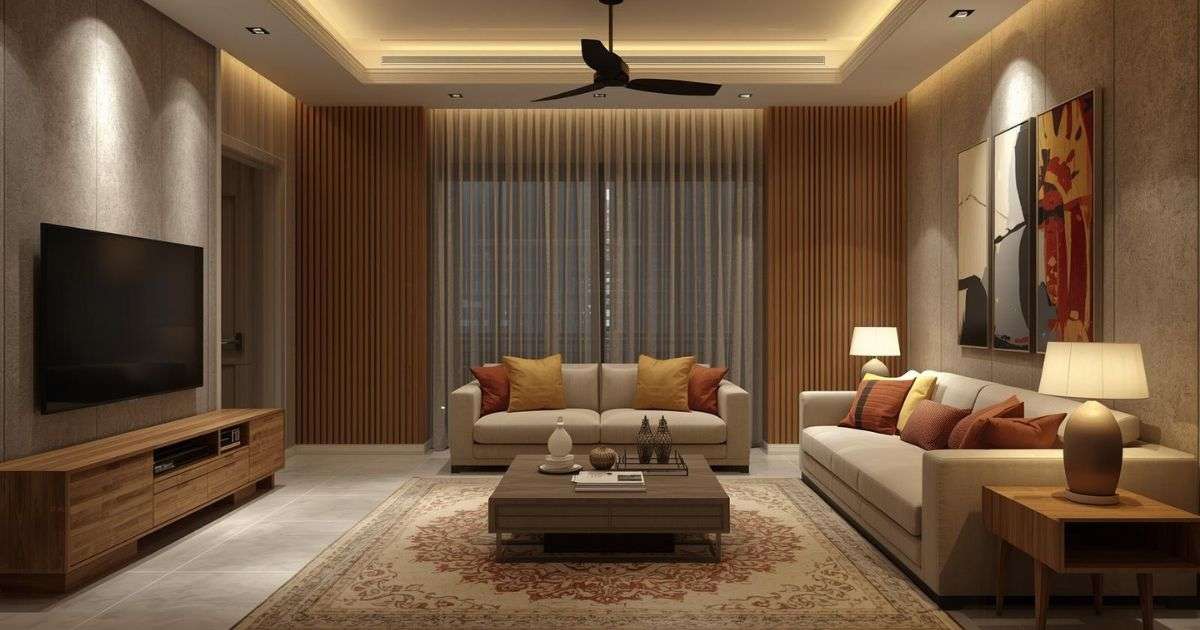
A common mistake is pushing every piece against the wall. It may seem like this creates more space, but it often leaves the center feeling empty and awkward. Pulling a sofa forward by even a small amount can make the room feel more intentional, especially when paired with a rug large enough to connect the seating area.
The best test is simple. Walk through the room while carrying a cup of tea. If you have to twist, pause, step sideways, or dodge a sharp table corner, the layout is not serving you yet. Furniture should guide movement without calling attention to itself.
Modern Home Decor Starts With Scale
Scale is the design detail people ignore until the room feels off. A tiny lamp beside a deep sectional looks apologetic. A thin rug under a large seating group feels like a postage stamp. Oversized wall art above a narrow console can make the whole wall feel top-heavy.
Modern home decor works best when each piece understands the room it lives in. A large space needs fewer, stronger items. A small room needs pieces with presence but not bulk. The trick is not to shrink everything in a compact room; that can make the space feel nervous. Choose slimmer shapes, raised legs, and cleaner silhouettes instead.
One strong example is a small apartment living area. A low sofa, one sculptural floor lamp, a round coffee table, and a wide mirror can feel richer than five small accent pieces scattered around the room. Scale brings confidence. Clutter often tries to fake it.
Color, Texture, and Light Shape the Mood Before Furniture Does
Once the layout holds together, the room needs feeling. Color, texture, and light do that work before anyone notices the brand of your chair or the price of your curtains. A room with flat lighting and one-note surfaces will feel unfinished no matter how neatly arranged it is, while a modest room with depth can feel personal and lived-in.
Interior Styling Ideas for Color That Does Not Shout
Color does not need to be loud to have character. Some of the strongest interior styling ideas begin with a restrained palette and one confident contrast. Think warm white walls with olive upholstery, soft gray seating with walnut wood, or beige linen with black metal details. The point is not drama for its own sake; the point is tension.
Many rooms fail because the color choices are too polite. Everything is cream, beige, pale gray, or soft brown, and the space starts to feel like it is whispering apologies. Add one deeper tone through a chair, artwork, rug, or cabinet, and the room suddenly gains a spine.
Color also changes with light, so never judge paint from a tiny card under store lighting. Paint a sample on the wall and watch it in the morning, afternoon, and evening. A shade that feels elegant at noon can turn muddy after sunset, and that is when most people actually relax at home.
Texture Adds Warmth Where Color Cannot
Texture is the reason a neutral room can still feel alive. A boucle chair, matte ceramic vase, woven shade, linen curtain, ribbed glass lamp, or wool rug gives the eye something to touch before the hand ever reaches it. This is where comfort becomes visible.
The secret is contrast. Smooth leather beside rough timber. Crisp cotton beside nubby wool. A polished stone tabletop near a soft rug. When every surface has the same finish, the room feels flat, even if each item looks good alone.
Lighting ties those textures together. Overhead light alone is rarely kind. Use lamps at different heights so shadows soften the room. A table lamp beside a sofa, a floor lamp near a chair, and a small light on a shelf can make the same furniture feel more expensive without changing a single piece.
Personal Style Needs Editing More Than More Shopping
A room becomes yours through choices, but not every choice deserves a place. Personal style is not the same thing as displaying everything you like. The strongest spaces have an edit, a point of view, and a willingness to leave breathing room around the things that matter.
Living Room Design Should Carry One Clear Main Idea
Strong living room design usually has one lead idea. It might be relaxed family comfort, quiet evening reading, colorful hosting, or clean city living. Trouble begins when a room tries to be all of those at once. A velvet sofa, farmhouse coffee table, coastal prints, industrial shelving, and glossy glam lighting can all be attractive alone, yet together they start arguing.
Choose the feeling first. A family room may need stain-friendly fabrics, rounded furniture, deep seating, and storage that hides daily mess. A hosting space may need flexible chairs, layered lighting, and a table surface within easy reach of every seat. A quiet room may need softer color, fewer patterns, and one generous chair that invites you to stay.
This does not mean everything must match. Matching is often the least interesting answer. Coherence comes from repeated materials, related colors, and a shared mood. A room can mix old and new pieces beautifully when they all seem to belong to the same life.
Modern Home Decor Looks Better With Fewer Small Objects
Small decor can make a room feel finished, but too much of it turns into visual noise. Shelves packed with tiny frames, candles, bowls, books, souvenirs, and artificial plants force the eye to work harder than it should. The room may be clean, yet it still feels busy.
Modern home decor improves when you group objects with intent. Use odd numbers when they look natural, vary height, and leave open space around each grouping. A stack of two books with a ceramic bowl and one framed photo often says more than twelve unrelated objects lined up like evidence.
Sentimental pieces deserve stronger treatment, not automatic display. One inherited vase on a clear console can feel meaningful. Ten keepsakes scattered across every surface can make none of them feel special. Editing is not cold. It is how you give memory a proper stage.
Comfort, Function, and Longevity Decide Whether the Room Works
Style that cannot survive daily life is decoration with a short fuse. A room has to welcome tired bodies, quick cleanups, changing seasons, and the odd spill nobody admits causing. The best spaces look good because they work hard without making a performance of it.
Interior Styling Ideas That Make Storage Feel Designed
Storage should not feel like punishment for owning things. Smart interior styling ideas hide routine clutter while keeping daily items close enough to use. A storage ottoman, closed media cabinet, woven basket, or built-in shelf can save a room from the slow creep of chargers, blankets, toys, remotes, and half-read books.
The key is matching storage to behavior. If shoes gather near the entrance, add a closed bench there instead of pretending everyone will carry them to a closet. If blankets live on the sofa every night, place a basket beside it. Design that ignores habit becomes a lecture, and nobody wants to be scolded by a room.
Good storage also protects the decorative choices you made earlier. Clear surfaces let lighting, texture, and shape stand out. When every flat area becomes a holding zone, even a beautiful room starts to look tired.
Choose Pieces That Can Age With You
Trendy rooms often look tired faster because every detail points to the same moment. A safer path is to make the expensive pieces quieter and let smaller items carry the seasonal energy. Sofas, dining tables, cabinets, and rugs should have enough restraint to survive changing taste.
This does not mean buying boring furniture. It means choosing pieces with good lines, useful proportions, and materials that can handle time. A simple wood table can work through several style shifts. A strange novelty chair may thrill you for six months and irritate you for six years.
The unexpected truth is that restraint can feel more personal than excess. When a room is not chasing every trend, your actual life has room to show up. Books, flowers, art, music, guests, meals, and quiet evenings bring the movement. The design should hold them, not compete with them.
Conclusion
A well-styled room is not a finished photograph; it is a living frame for the way you move, rest, gather, and think. The smartest changes often come from subtraction: one clearer layout, one stronger light source, one better-scaled rug, one surface cleared of objects that never earned their place. That kind of design may look simple, but it takes attention.
Use room style tips as a lens, not a rulebook. Stand in the doorway and ask what the room is trying to do. Then remove what interrupts that purpose, strengthen what supports it, and let the space breathe before buying another thing. Style grows sharper when you stop decorating from panic and start shaping from intention. Choose one area today, fix the friction you feel every day, and let the whole room begin from that honest point.
Frequently Asked Questions
What are the best room style tips for a small living room?
Start with layout, scale, and light before buying decor. Choose furniture with slimmer arms, raised legs, and clear walking paths. Use one larger rug instead of several small ones, and add layered lighting so the space feels open rather than cramped.
How can modern home decor make a room feel warmer?
Warmth comes from texture, lighting, and natural materials. Add linen curtains, wood tones, woven baskets, soft rugs, and lamps with warm bulbs. A neutral room can still feel inviting when surfaces have depth and the lighting flatters the space.
What living room design mistakes make a space look smaller?
Furniture pushed tightly against every wall, undersized rugs, blocked pathways, and poor lighting can shrink the feel of a room. Too many small decor pieces also create visual clutter. A cleaner layout with fewer, better-scaled items usually feels larger.
Which interior styling ideas work on a low budget?
Rearrange the furniture first, then improve lighting and edit surfaces. Move lamps, clear crowded shelves, swap cushion covers, frame personal photos, and add one strong secondhand piece. A better layout can change the room more than a shopping trip.
How do I choose colors for modern living spaces?
Look at your fixed elements first, such as flooring, cabinets, and large furniture. Build around those tones, then add one deeper accent for contrast. Test paint in different light before committing, because color changes throughout the day.
How can I make a room look stylish without clutter?
Use fewer objects with stronger presence. Group decor in small clusters, vary height and texture, and leave empty space around important pieces. Stylish rooms need breathing room, so remove items that do not add beauty, function, or meaning.
What furniture should I buy first when styling a room?
Begin with the largest functional piece, such as the sofa, bed, or dining table. That item sets scale, movement, and comfort for the whole room. After that, choose rugs, lighting, and storage before adding smaller decorative details.
How often should I update my room style?
Refresh small details seasonally, but keep major pieces steady for years when they still work. Change cushions, throws, lampshades, flowers, or artwork when the room feels stale. Replace larger items only when comfort, function, or proportion no longer serves you.