Top Room Style Inspiration for Beautiful Home Design
A beautiful room can change how you move through your day. The right furniture, light, color, and layout do more than fill space; they shape your mood before you even notice it. Room Style Inspiration matters because most homes do not need a full renovation to feel better. They need sharper choices, fewer distractions, and a clearer sense of what each room is meant to do. Good beautiful home design begins with honesty about how you live, not with copying a photo that looked polished online. A room can look expensive and still feel cold. It can also be modest, personal, and deeply inviting when every detail earns its place. For readers building a stronger design presence online, a smart home improvement content strategy can also help connect practical design ideas with people searching for them. The goal is not to chase every trend. The goal is to build rooms that feel calm, useful, and visually alive without turning your home into a showroom.
Room Style Inspiration Starts With How the Space Feels
A room fails when it looks finished but feels wrong. That sounds harsh, but most design mistakes begin there. People often choose paint, furniture, and decor before asking what the space should make them feel when they walk in tired, distracted, or ready to host guests. The best room decorating ideas start with atmosphere first, then materials and pieces follow with purpose.
Beautiful home design begins before buying anything
A room should have a mood before it has a shopping list. You might want a bedroom that lowers your shoulders at the end of the day, a dining area that invites longer meals, or a living room that feels open without becoming empty. That emotional target keeps choices from drifting.
Many people buy one attractive item after another and wonder why the result feels messy. The problem is not taste. The problem is that every item is speaking a different language. A velvet chair, glass table, rustic basket, chrome lamp, and patterned rug can each look fine alone, then fight the second they share a room.
Start by naming the feeling in plain words. Calm and warm. Crisp and social. Soft and grounded. Bright and playful. This small step sounds too simple, but it prevents expensive confusion. Beautiful home design works best when every choice supports the same emotional promise.
Room decorating ideas need limits to work well
Freedom sounds appealing until it turns into visual noise. A room with no boundaries becomes a storage place for every passing preference. Strong interior design style often comes from saying no earlier than feels comfortable.
Pick a narrow color family, a clear material direction, and a repeating shape. For example, a small lounge could use warm white walls, walnut wood, linen seating, and rounded forms. That gives you enough range for personality without letting the room break apart.
Limits do not make a room boring. They make the good details easier to see. A ceramic lamp stands out more when it is not competing with ten unrelated finishes. A bold cushion feels intentional when the rest of the room gives it room to speak.
Shape the Layout Before You Style the Details
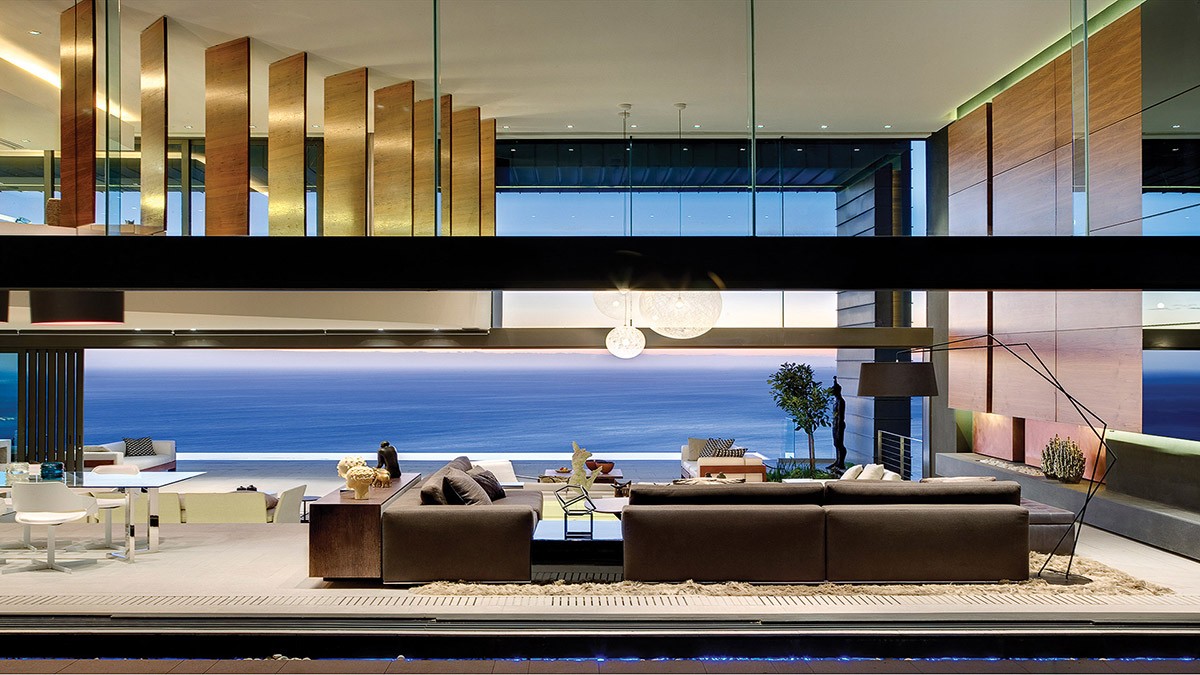
After the room has a mood, layout decides whether that mood survives daily life. A beautiful room that blocks movement, hides outlets, or makes conversation awkward will irritate you no matter how polished it looks. Good design respects the body first. Style comes after traffic, comfort, and use have been handled.
Interior design style depends on movement
Furniture placement should answer one blunt question: can you move through the room without thinking about it? A coffee table that bruises your shin every morning is not a design feature. It is a daily argument with your own house.
In a living room, leave clear paths between the entrance, seating, windows, and storage. In a bedroom, avoid pushing every piece against the wall unless the room truly demands it. Sometimes pulling a chair, bench, or small table inward gives the space a calmer rhythm.
A common mistake is treating walls as magnets. People line up furniture around the edges, then wonder why the center feels dead. Strong interior design style often comes from creating zones: a reading corner near light, a conversation area around a rug, or a small desk that does not bleed into the bed.
Cozy living space comes from proportion, not clutter
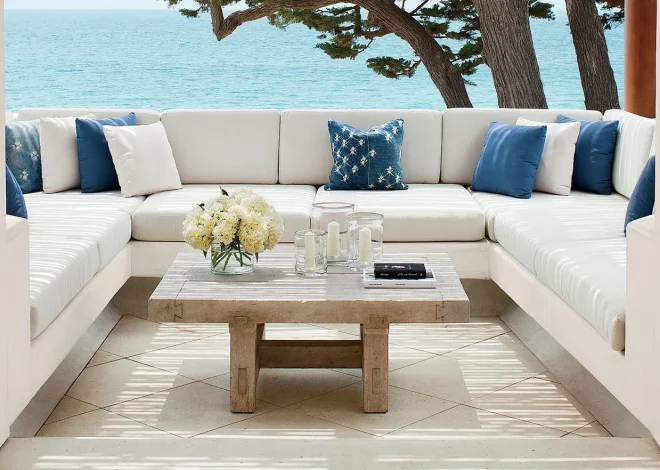
A cozy living space does not need more blankets, candles, or baskets by default. Those things can help, but they cannot fix bad scale. A tiny rug under large furniture makes the room feel nervous. A giant sofa in a narrow room swallows the air.
Proportion is the quiet skill behind comfort. The rug should connect the seating instead of floating like an apology. Side tables should meet the height of the chair arms. Lamps should light faces and pages, not blast the ceiling while the corners stay dim.
One counterintuitive trick works often: remove one piece before adding another. A cozy living space can feel warmer after subtraction because the remaining furniture finally has room to breathe. Comfort is not the same as fullness. Sometimes space itself is the luxury.
Use Color, Texture, and Light Like a Design Language
A room becomes memorable when its surfaces talk to each other. Color sets the temperature, texture gives the eye somewhere to rest, and lighting decides whether everything feels flat or alive. This is where many rooms come close to working, then miss by one layer. The pieces are present, but the room has no rhythm.
Beautiful home design needs color discipline
Color should not be chosen only because it is liked. It should be chosen because it behaves well in that exact room. Morning light, evening shadows, flooring, and window direction can make the same beige look creamy, gray, yellow, or dull.
Test paint on more than one wall before committing. A shade that looks calm beside the window may turn muddy near the hallway. This small patience can save a room from months of quiet disappointment.
Use color in roles. Let one shade dominate, one support, and one appear as an accent. A soft olive room with cream upholstery and black metal details feels settled because every color knows its job. Room decorating ideas become easier once the palette stops trying to entertain every possible taste at once.
Interior design style grows through texture
Texture is the part people notice with their eyes but understand with their body. A room with smooth walls, smooth floors, smooth furniture, and shiny surfaces may look clean, yet it often feels thin. Add linen, wool, rattan, wood grain, matte ceramics, or woven shades, and the room gains depth.
The trick is contrast. A boucle chair beside a sleek table works because one softens the other. A rough clay vase on a polished shelf gives the eye a place to pause. Too much of the same texture makes even expensive decor feel flat.
Lighting should support that texture instead of washing it away. Use layered light: overhead for function, lamps for comfort, and focused light for reading or art. A cozy living space often owes more to a low lamp at dusk than to any single decorative object.
Make the Room Personal Without Making It Messy
A home should show evidence of a life being lived. The danger is not personality; the danger is unmanaged personality. Souvenirs, books, family photos, old furniture, and handmade items can give a room depth that new decor cannot copy. They need editing, placement, and breathing room.
Room Style Inspiration should include your real habits
A room built for an imaginary version of you will never feel right. A pale sofa may look elegant, but it becomes a stress machine if you have pets, children, or friends who eat snacks during movies. Open shelving looks charming until you realize you dislike dusting.
Design should meet your habits without shame. Put storage where clutter actually happens. Choose washable fabrics in rooms that work hard. Keep a tray by the door if keys always land there. Beauty that ignores behavior turns into maintenance.
This is where personal design becomes sharper than trend-led design. Your routines reveal what the room needs. A person who reads every night needs a proper lamp more than another framed print. Someone who hosts often needs flexible seating more than a sculptural chair nobody uses.
Beautiful home design improves through editing
Personal objects deserve better than being scattered everywhere. Group them with intention. Place travel pieces together by material or color. Keep family photos in a focused area instead of sprinkling them across every surface. Give meaningful items space so they can carry weight.
Editing can feel ruthless at first, especially when objects hold memory. The answer is not to throw everything away. Rotate pieces by season, store some items, and let the strongest ones stay visible. A room becomes more personal when the chosen objects can actually be seen.
Your final layer should include something slightly imperfect. A hand-thrown bowl, a worn wooden stool, a stack of books with bent corners, or a framed note can keep the room from feeling staged. Clean design needs a pulse. Without one, it becomes furniture arranged for nobody.
Conclusion
A better room does not begin with a bigger budget. It begins with a sharper eye and a willingness to stop accepting spaces that almost work. Once you understand mood, layout, scale, color, light, and personal editing, design becomes less intimidating and far more useful. Room Style Inspiration should never push you toward copying someone else’s house. It should help you notice what your own rooms are asking for. Maybe the sofa needs to move before you buy art. Maybe the room needs warmer light before it needs new paint. Maybe the strongest design choice is removing the object that keeps interrupting everything else. Start with one room, choose one feeling, and make every decision answer to it. Your home does not need to impress strangers first; it needs to support the life happening inside it.
Frequently Asked Questions
What are the best room decorating ideas for a small home?
Choose furniture with lighter visual weight, keep walkways clear, and use one consistent color family across connected spaces. A small home feels larger when the eye moves without interruption and every piece has a reason to stay.
How can I create a cozy living space without clutter?
Build comfort through scale, texture, and lighting instead of piling on decor. Use a generous rug, soft lamps, touchable fabrics, and closed storage. The room will feel warm without turning every surface into a display area.
What interior design style works best for modern homes?
The best style depends on how you live, not on what is trending. Modern homes often work well with clean lines, warm materials, layered lighting, and a restrained palette that leaves space for personal objects.
How do I choose colors for beautiful home design?
Test colors in the actual room at different times of day before deciding. Natural light changes undertones, so a shade that looks perfect online may behave differently on your walls, floor, and furniture.
What makes a room look more expensive?
Good scale, fewer visible mistakes, and consistent materials make a room look more refined. Matching every item is not necessary. A room feels elevated when furniture fits, lighting is layered, and clutter is edited with care.
How can I update a room without replacing furniture?
Move the furniture first, then change lighting, textiles, art placement, and small decor. New cushion covers, a better rug size, warmer bulbs, or a cleaner layout can shift the whole room without major spending.
What are common mistakes in room styling?
Common mistakes include buying decor before planning the mood, choosing rugs that are too small, using only overhead lighting, and filling every blank wall. Most rooms improve when you remove visual noise before adding anything new.
How do I make my home design feel more personal?
Display fewer meaningful pieces with more intention. Group objects by color, material, memory, or theme, then give them space. Personal design feels stronger when your favorite items are edited, visible, and connected to how you actually live.