
Within Multifunctional Spaces Modern Families Find Greater Flexibility
Modern homes are no longer designed for a single purpose. Families today expect every room to serve multiple functions, adapting to changing schedules, lifestyles, and responsibilities. A dining table may transform into a workspace during the day, while a guest room can double as a fitness area or study space. This shift reflects the growing need for homes that can evolve alongside the people living in them.
Flexibility has become one of the most valuable features in residential design because it allows homeowners to make better use of available space without sacrificing comfort. Rather than expanding the size of a house, many families now focus on maximizing the functionality of each room.
Designing Spaces That Adapt To Everyday Needs
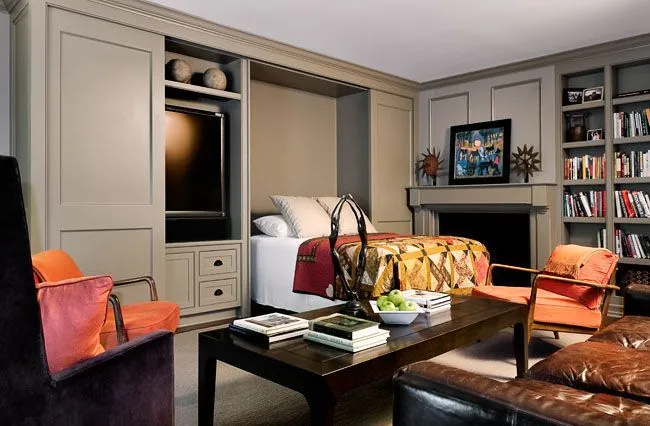
A multifunctional home starts with thoughtful planning. Furniture with built in storage, foldable desks, movable partitions, and modular seating all contribute to a more adaptable environment. These elements allow rooms to transition effortlessly between different purposes throughout the day.
As more services become accessible online, families are also becoming accustomed to managing household responsibilities digitally. Whether someone is searching for property related information through kaveri online ec or organizing daily schedules, technology supports the efficient lifestyle that modern homes are designed to encourage.
The combination of practical layouts and digital convenience enables households to save time while maintaining an organized living environment.
Creating Comfortable Shared Areas
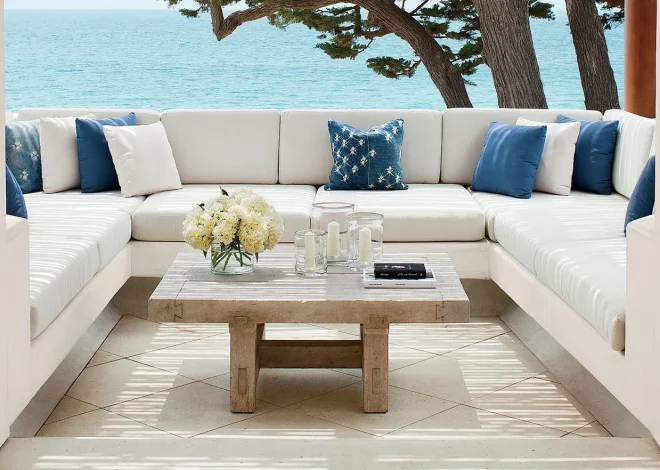
Shared spaces are becoming increasingly important as family members spend more time together while pursuing different activities. A well designed living room can support children’s homework, remote meetings, reading, entertainment, and casual conversations without feeling crowded.
Achieving this balance requires careful furniture placement, sufficient lighting, and storage solutions that reduce clutter. Open shelving, hidden cabinets, and flexible seating arrangements help keep shared spaces organized while allowing everyone to use the room comfortably.
When each family member can enjoy personal activities within the same area, the home naturally becomes more welcoming and efficient.
Smart Organization For Busy Households
Organization is the foundation of any multifunctional home. Without proper storage systems, flexible spaces can quickly become disorganized and difficult to manage.
Many homeowners use labeled storage containers, wall mounted shelves, under bed storage, and multifunctional furniture to keep belongings easily accessible while maintaining a clean appearance. Establishing simple routines for tidying shared spaces also encourages every family member to contribute to household organization.
Similarly, people increasingly rely on online government resources for various family related services. Access to information such as the kanya sumangala yojana helpline number up demonstrates how digital tools simplify administrative tasks, allowing families to spend more time focusing on daily life rather than paperwork.
Technology Enhances Everyday Living
Modern technology plays an essential role in creating flexible homes. Smart lighting systems, automated climate controls, wireless security devices, and voice activated assistants improve convenience while reducing unnecessary effort.
Wireless connectivity also allows family members to work, learn, and communicate from virtually any room. Portable devices make it possible to transform a quiet corner into a productive workspace within minutes.
People are becoming increasingly comfortable using mobile applications for various services, whether they are managing household tasks or exploring official resources like banglarbhumi apps, illustrating how digital accessibility complements the flexibility of contemporary living environments.
Technology does not replace thoughtful home design. Instead, it enhances the ability of spaces to adapt to changing needs throughout the day.
Planning Homes For Future Needs
Families rarely remain the same over time. Children grow older, work arrangements change, elderly relatives may move in, and personal interests continue to evolve. A home designed with flexibility can accommodate these transitions without requiring expensive renovations.
Movable furniture, neutral room layouts, and adaptable storage systems make future adjustments significantly easier. Rather than assigning permanent functions to every room, homeowners benefit from designing spaces that can serve multiple purposes whenever necessary.
As digital services continue expanding, resources such as e bhulekh Uttarakhand online further demonstrate how technology supports efficient household management while complementing flexible modern lifestyles.
Building Homes That Grow With Families
A multifunctional home is more than a design trend. It represents a practical response to the changing demands of modern family life. Flexible spaces improve comfort, encourage better organization, and make it easier to balance work, education, recreation, and relaxation within a single household.
By combining adaptable layouts, smart storage, comfortable shared areas, and supportive technology, homeowners can create environments that remain useful for years to come. Instead of constantly modifying their homes to meet new challenges, families can enjoy spaces that naturally evolve alongside their changing needs.
Ultimately, homes designed with flexibility provide lasting value because they support both present lifestyles and future possibilities, making everyday living more comfortable, efficient, and enjoyable for every member of the family.