
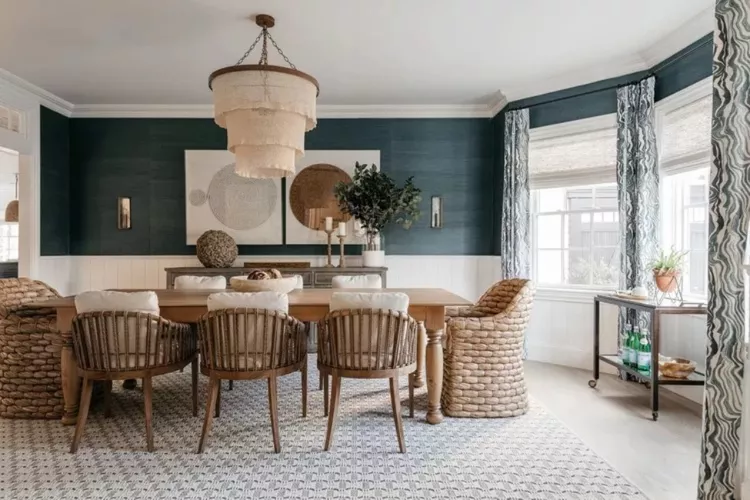
Dining Room Chair Rail Molding Installation for Classic Wall Detail
A plain dining room can feel unfinished even after the paint dries and the furniture lands in place. A careful chair rail installation gives the wall a middle line, and that line changes how the whole room behaves. It can make a builder-grade space feel older, calmer, and more intentional without turning the room into a museum. For homeowners comparing design choices through a home improvement publishing resource, this is the kind of upgrade that earns attention because it blends style with practical wall protection. The trick is restraint. Too high, and the room feels chopped. Too thin, and the trim looks nervous. Too ornate, and the dining room starts wearing a costume. Good classic wall trim should feel like it belonged there before you noticed it. That is why this project works so well in American dining rooms, from small ranch homes in Ohio to newer suburban layouts in Texas. It gives the wall a backbone.
Planning Classic Proportions Before the First Cut
The best trim work starts before the saw comes out. Most bad dining room molding does not fail because the homeowner picked the wrong profile. It fails because the wall was never studied as a whole surface. Your table height, ceiling height, window casing, baseboards, and light fixture all have a say in where the rail should land.
Choosing Chair Rail Height Without Guesswork
Chair rail height should follow the room, not a random number from a store aisle. Many American dining rooms with 8-foot ceilings look balanced when the rail sits near the lower third of the wall, often around 32 to 36 inches from the floor. Taller ceilings can carry a slightly higher line, but the eye still wants the lower wall to feel grounded.
A useful test is to stand back from the longest wall and imagine the rail as a horizon. If it cuts across light switches, window stools, or the backs of dining chairs in an awkward way, adjust before marking. The rail should calm the wall, not argue with every object in the room.
Older homes add another layer. In a 1920s bungalow, a lower rail with a simple cap may feel honest. In a newer open-plan house, a cleaner profile often works better because the dining space may share sightlines with a kitchen or living room. Proportion beats nostalgia every time.
Matching Dining Room Molding to the Home’s Age
Dining room molding should speak the same language as the rest of the house. A colonial-style dining room can handle a rounded or stepped rail with picture-frame boxes beneath it. A mid-century home usually needs a slimmer profile with less fuss. The mistake is treating every dining room like a formal estate room.
Walk through nearby spaces before buying trim. Look at the door casing, baseboards, and window stools. If those pieces are thin and square, a heavy carved rail may look pasted on. If the home already has rich casing, a plain strip can look unfinished.
The unexpected truth is that simple trim often looks more expensive after paint. Sharp lines, tight joints, and clean caulk do more for classic wall trim than a busy profile. A cheap molding installed with care can beat a costly one installed with impatience.
Chair Rail Installation That Fits the Room, Not the Trend
A dining room should not feel like it copied a showroom wall. The goal is to create a steady architectural line that respects how people use the room. Chair backs, serving pieces, art, rugs, and wall color all affect the final result. Good planning keeps the trim from becoming visual noise.
Marking the Wall Line With Real-Life Furniture in Place
Start with the dining table and chairs in the room if possible. That sounds small, but it changes the decision. The rail may be decorative today, yet it still relates to chair backs. Houzz notes that chair rails sit roughly 3 to 4 feet up the wall and began as a way to protect walls from impact, though many modern uses are decorative.
Use a level to mark several points around the room, then connect them with painter’s tape before cutting a single board. Tape gives you the gift of second thoughts. Live with the line for a few hours and look at it during daylight and evening light.
Dining rooms expose bad measurements because people sit still in them. In a hallway, a slightly odd line may pass unnoticed. Around a table, guests stare at walls between bites. That makes accuracy feel less like perfectionism and more like respect for the room.
Testing Wall Molding Ideas Before Buying Trim
Wall molding ideas look different in a photo than they do in a lived-in home. A rail with box molding beneath it may look rich online, then feel crowded beside a china cabinet, buffet, and tall windows. Your dining room does not need every trim idea at once.
Buy a short sample piece and hold it against the wall at the planned height. Then view it from the room entry, from the head of the table, and from the kitchen doorway. Those three views reveal more than a close-up ever will.
For a formal look, pair the rail with lower wall boxes and a deeper paint color below. For a lighter room, keep the rail simple and let paint create the contrast. The quiet option often ages better, especially in homes where the dining room connects to busy family spaces.
Preparing Walls, Tools, and Materials the Smart Way
Preparation looks boring until it saves the project. Dining room walls carry old nail pops, slight bows, outlet surprises, and paint layers that can punish a rushed installer. A rail is a straight line placed on an imperfect surface, so the prep stage decides whether the finished wall looks crisp or careless.
Reading the Wall Before Nailing Anything
Run your hand along the wall where the rail will sit. Drywall waves, plaster humps, and corner dips will show themselves fast. Mark studs lightly above or below the rail line, then confirm with a stud finder. Nails need backing, and adhesive alone should never carry the whole job.
Corners deserve patience. Many dining rooms are not square, even in newer homes. Inside corners may need a coped joint instead of a basic miter because coping hides small movement better. Outside corners need tighter cuts because any gap catches light like a white scratch.
Safety matters more in older American homes. If your home was built before 1978 and painted surfaces may be disturbed, the EPA recommends hiring a lead-safe certified contractor trained in lead-safe work practices. That warning belongs in this project because trim work can involve sanding, scraping, or cutting into old paint.
Building a Material List That Does Not Waste Money
Classic wall trim does not require a truckload of tools, but it does reward having the right ones ready. You need a tape measure, level, miter saw or miter box, stud finder, finish nails, construction adhesive, caulk, wood filler, painter’s tape, primer, and paint. A coping saw helps when corners refuse to behave.
Measure every wall twice and add waste for cuts. Ten percent extra material usually protects you from mistakes, damaged boards, and awkward corner pieces. If your dining room has bay windows or several door openings, add a little more because short returns create more waste than long flat walls.
Cost also deserves clear eyes. HomeAdvisor’s 2025 trim data lists average trim installation costs from $634 to $2,262, with labor often priced by the hour and influenced by material, scope, and trim type. A small DIY dining room may cost far less in materials, but the professional route can make sense when walls are old, corners are rough, or the finish has to match existing millwork.
Finishing the Rail So It Looks Built In
The finish stage separates “installed trim” from architecture. Anyone can nail a board to drywall. The craft appears when seams vanish, paint lays smooth, and the rail looks like part of the house rather than a weekend add-on. This is where patience pays rent.
Caulk, Paint, and Shadow Lines That Matter
Caulk the top and bottom edges with a paintable caulk, then wipe the bead clean before it skins over. Do not smear caulk across the face of the trim. A fat caulk line softens the profile and steals the shadow that makes molding attractive.
Fill nail holes with wood filler, sand lightly, and prime bare spots. Paint-grade trim should not show raw patches beneath the topcoat. If the lower wall uses a darker color, paint the rail the same color as the upper trim for a clean break, or match it to the lower wall for a calmer look.
Classic wall trim depends on shadow more than decoration. A small curve or step casts enough shade to make the wall feel layered. When the paint finish is too glossy, every flaw shouts. Satin or semi-gloss works well on trim, but the wall finish should stay calmer unless the room demands drama.
Using Dining Room Wall Detail Without Overcrowding
A dining room wall detail should support the furniture, not compete with it. If you have patterned wallpaper above the rail, keep the trim profile restrained. If the room has plain painted walls, lower box molding can add weight without crowding the upper wall.
Art placement changes after the rail goes up. Hang framed pieces above the line with enough breathing room so the rail does not slice through the composition. A mirror over a buffet should relate to the rail, not float in a separate world.
Here is the part many people miss: the best finished rail looks a little quiet. Guests may not praise it by name. They may say the room feels finished, warmer, or more expensive. That is the win. Dining room molding should improve the room before it asks for credit.
Conclusion
A dining room does not need a full renovation to gain character. It needs one decision made with care, then carried through with clean measurements and a steady hand. Trim has a strange power because it changes how the wall holds light, how furniture sits in the room, and how finished the space feels at dinner time.
A thoughtful chair rail installation gives you that change without tearing into the whole house. It respects older homes, softens newer ones, and gives plain drywall a sense of order. The best version is not the fanciest profile or the highest contrast paint. It is the rail that lands at the right height, meets each corner cleanly, and feels natural the second the room comes back together.
Start with tape, samples, and honest measurements before buying the full material run. Give the wall one strong line, finish it with patience, and let the dining room carry itself with more grace.
Frequently Asked Questions
What is the best height for a dining room chair rail?
Most dining rooms with 8-foot ceilings look balanced with the rail around 32 to 36 inches from the floor. Taller rooms can go higher, but the lower third rule keeps the wall grounded and prevents the trim from cutting the room in half.
Can I install a chair rail without professional help?
Yes, a careful DIY homeowner can handle the project with basic trim tools, patience, and accurate layout work. The hard parts are inside corners, uneven walls, and finish work. Hire help if the home has old paint, plaster damage, or complex corners.
Should chair rail match the baseboards?
Matching the baseboards creates a clean, traditional look and usually feels safest in formal dining rooms. A contrast color can work, but it needs a clear design reason. When in doubt, match existing trim so the room feels connected.
What type of molding works best in a small dining room?
Slim molding with a clean profile works best in smaller rooms. Heavy trim can crowd the walls and make the space feel shorter. A simple rail with a soft edge adds shape without stealing attention from the table and lighting.
Is chair rail still popular in modern homes?
Yes, but the modern version is calmer and more tailored than older heavy styles. Homeowners now use it with simple profiles, two-tone paint, wallpaper, or lower wall boxes. The look works when the proportions feel intentional.
Can chair rail protect dining room walls from chairs?
It can help, but placement matters. The rail needs to meet the chair backs at the right height to offer protection. In many homes today, it works more as a visual feature, while felt pads and smart furniture spacing provide extra wall protection.
Should I paint above and below the chair rail different colors?
Two colors can look sharp when the contrast supports the furniture and lighting. Darker paint below the rail adds weight, while lighter paint above keeps the room open. Keep the palette connected so the wall does not feel split apart.
How do I make chair rail look expensive?
Tight joints, smooth caulk, clean paint, and the right height matter more than fancy trim. Choose a profile that matches the home, sand every filled nail hole, and avoid bulky caulk lines. Precision gives modest materials a high-end finish.