
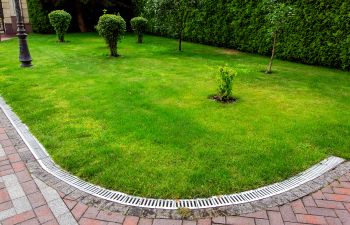
Backyard Drainage Solutions That Prevent Standing Water After Rain
A yard should not feel like a swamp two days after a storm. When standing water keeps showing up after rain, it is not a small annoyance you can ignore until spring. It can ruin grass, soften soil around patios, invite mosquitoes, stain hardscaping, and quietly push moisture toward the foundation. For many American homeowners, the trouble starts after a heavy summer storm, a fast snowmelt, or a weekend downpour that exposes every weak spot in the yard.
Good drainage is not about making water disappear. It is about giving water a smarter path before it damages the parts of your property that cost real money to fix. A homeowner comparing repairs, grading choices, or exterior upgrades can benefit from practical local property planning that looks at the whole site instead of treating every puddle like a separate problem. The best fix usually comes from reading the yard first, then choosing the right system for the way water actually moves.
Backyard Drainage Starts With Reading the Yard, Not Buying Pipe
The first mistake many homeowners make is treating drainage like a product problem. They buy pipe, gravel, fabric, or a trenching tool before they understand where the water comes from and where it can safely go. That leads to half-built fixes that move the mess from one corner of the lawn to another.
Why Yard Drainage Problems Show Up After Heavy Rain
Yard drainage issues often reveal themselves only after a strong storm because light rain does not test the soil the same way. A gentle drizzle may soak in slowly, while a two-inch storm can overwhelm compacted clay, low spots, and poorly sloped patios in a few hours.
Many neighborhoods across the USA were built with grading that made sense on paper but aged poorly. Soil settles around foundations. Tree roots lift parts of the lawn. New patios, sheds, fences, and garden beds interrupt old water paths. A yard that drained fine ten years ago can fail after one home improvement project changes the flow.
A practical test beats guessing. Walk the yard during or soon after rain and notice where water enters, where it pauses, and where it leaves. Watch the downspouts, driveway edges, patio seams, fence lines, and the lowest stretch of lawn. The soggy spot is often the victim, not the source.
How Soil Type Changes Rainwater Runoff
Rainwater runoff behaves differently from one yard to another because soil controls how fast water can soak in. Sandy soil drains fast but may erode near slopes. Clay soil drains slowly and can hold water near the surface long after the sky clears.
Clay-heavy regions, including parts of Texas, Missouri, Georgia, Ohio, and the Carolinas, often need more than a shallow surface fix. Water sits because the soil has tiny pores that close when compacted. Once that happens, even a healthy lawn can act like a lid over wet ground.
A simple jar test can tell you a lot. Put soil in a clear jar, add water, shake it, and let it settle. Sand drops first, silt follows, and clay stays cloudy longer. That little kitchen-counter test will not replace a site evaluation, but it can stop you from choosing a fix that fights the soil instead of working with it.
Surface Fixes That Move Water Before It Soaks In
Once you understand the yard’s low points and flow paths, surface fixes often give the fastest relief. These solutions work above or near the surface, where water can be guided away before it has time to collect. They are especially useful when the lawn has shallow puddles, patio overflow, or runoff from roofs and driveways.
Grading Choices That Solve Soggy Lawn Areas
A soggy lawn is often a shape problem. Water collects where the yard forms a shallow bowl, even if that dip looks harmless when the grass is dry. A few inches of slope can decide whether rain drains cleanly or sits until it smells stale.
Regrading does not always mean tearing up the whole property. In many suburban yards, a contractor can shave down a high edge, add soil to a low pocket, or create a shallow swale that carries water toward a safe outlet. The goal is not a steep lawn. The goal is steady fall.
Here is the counterintuitive part: a perfectly flat yard is rarely ideal. Homeowners often ask for a smooth, level lawn because it looks tidy, but water needs direction. A soft, almost invisible slope usually performs better than a flat green carpet that turns into a sponge after every thunderstorm.
Why Downspout Extensions Often Beat Bigger Projects
Downspout extensions look too plain to matter, which is why people underestimate them. Yet roof water is one of the biggest sources of yard flooding around American homes. A modest roof can shed hundreds of gallons during a hard storm, and that water often dumps beside the foundation.
Before paying for deeper drainage work, check every gutter outlet. If water exits beside a basement wall, patio slab, crawl space vent, or mulch bed, the yard may not be the real problem. The roof is sending water to the wrong place.
A ten-foot extension, buried solid pipe, or pop-up emitter can change the whole pattern. The outlet still needs a legal and sensible discharge point, because dumping water onto a neighbor’s property can create disputes. Done correctly, this small repair can prevent a larger bill from ever becoming necessary.
Subsurface Systems Handle Water the Lawn Cannot Absorb
Surface work helps when water needs direction, but some yards hold moisture below the grass line. That is where buried systems earn their keep. These fixes collect water under the surface and carry it away through gravel, pipe, and controlled discharge points.
When a French Drain Makes Sense
A French drain works best when water moves through soil and needs a hidden path out. It is not magic, and it is not the answer for every wet yard. It shines along soggy fence lines, near retaining walls, beside patios, and across slopes where groundwater seeps through the lawn.
The design matters more than the name. A proper system needs a trench with slope, clean gravel, drainage fabric, and perforated pipe placed so water can enter and move. If the pipe is flat, wrapped poorly, or set in dirt instead of stone, the drain may clog or sit useless after the first messy season.
A homeowner in Pennsylvania with a wet side yard might need a buried line that carries seepage toward the street-side storm connection, where allowed. A homeowner in Arizona may need a different approach because flash runoff behaves fast and hard. Same product name, different water problem.
Catch Basins for Patio and Driveway Water
Catch basins handle water that runs across hard surfaces. They work like collection boxes placed at low points, then tied into solid pipe that carries water away. Around patios, driveways, pool decks, and walkways, they can stop runoff before it spills into the lawn.
The grate location decides the result. Put the basin six inches too high, and water will flow around it. Put it where leaves collect with no cleaning access, and the system becomes a clogged box under a storm. Drainage is not glamorous work, but small placement errors punish you fast.
Catch basins pair well with surface grading because they give water a clear target. A driveway that slopes toward the garage, for example, may need a channel drain across the entry. A backyard patio that pitches toward the lawn may need a basin at the spill point. The right intake turns a messy sheet of water into a managed route.
Landscape Design Can Absorb Water Without Making the Yard Ugly
Drainage does not have to look like a repair. In many yards, landscape design can turn wet areas into useful, attractive spaces while reducing pressure on pipes and outlets. This approach works well when the problem is moderate and the yard has room to hold water safely for a short time.
Rain Garden Placement for Wet Corners
A rain garden is a planted shallow depression that collects runoff and lets it soak in slowly. It works best in a spot that already receives water but sits far enough from the house to avoid foundation risk. The plants are not decoration alone; their roots help open soil and manage changing moisture.
Native plants often perform better because they can handle local weather swings. In the Midwest, that might mean sedges, swamp milkweed, or blue flag iris. In parts of the Southeast, a different plant mix may handle heat, humidity, and seasonal storms with less fuss.
The surprising part is that a rain garden should not stay wet all the time. If it holds water for days, it is either too deep, poorly placed, or sitting in soil that needs another solution. A good rain garden accepts water, slows it down, and then returns to looking like a planted bed instead of a permanent pond.
Permeable Paths That Reduce Yard Drainage Stress
Hard surfaces create runoff because water cannot pass through them. A wide concrete path, compacted gravel strip, or old patio can send water racing toward the lowest lawn area. Permeable surfaces reduce that pressure by letting some water move down instead of sideways.
Permeable pavers, open-joint stone, gravel with a proper base, and stepping-stone paths can all help when installed with drainage in mind. The base layer matters. Without enough stone beneath the surface, the path may settle, clog, or turn uneven after freeze-thaw cycles in northern states.
This is where design and function overlap. A path from the driveway to a backyard gate can also act as a controlled drainage strip. A gravel border beside a patio can catch splash and reduce muddy edges. The yard looks more finished, but the real win is quieter: water gets fewer chances to gather in the wrong place.
Conclusion
Water always tells the truth about a yard. It exposes lazy grading, tired gutters, compacted soil, rushed patio work, and every shortcut buried under fresh mulch. The good news is that most drainage problems do not require panic. They require observation, smart sequencing, and a fix that matches the way rain moves across your property.
Start with the source. Watch the rooflines, hard surfaces, low spots, and soil behavior before choosing a drain. Some yards need a swale and better downspouts. Others need buried pipe, catch basins, or a planting plan that can absorb extra flow without turning the lawn into a mess. The wrong repair wastes money, but the right one can protect grass, hardscaping, and the foundation for years.
If standing water keeps returning after storms, treat it as an early warning instead of a seasonal nuisance. Walk the yard after the next heavy rain, mark the wet zones, and plan the fix before the next storm makes the decision for you.
Frequently Asked Questions
What is the best way to fix backyard drainage after heavy rain?
Start by finding where the water enters and where it gets trapped. Downspout extensions, shallow swales, grading corrections, French drains, and catch basins all work in different situations. The best fix depends on slope, soil type, roof runoff, and the available discharge point.
Why does my backyard stay wet for days after rain?
Slow-draining soil, low spots, compacted ground, poor grading, and roof runoff often cause long-lasting wet areas. Clay soil makes the problem worse because it holds moisture near the surface. A yard inspection after rain usually reveals the main source fast.
Can a French drain fix a soggy backyard?
A French drain can help when water moves through the soil or seeps across a slope. It will not fix every wet lawn, especially if the main issue is surface runoff. The trench needs slope, gravel, fabric, and a clear outlet to work well.
How do I stop water from pooling near my foundation?
Move roof water away first. Clean gutters, extend downspouts, and make sure soil slopes away from the house. If water still collects near the wall, you may need grading work, a buried drain line, or professional foundation drainage advice.
Are rain gardens good for backyard water problems?
Rain gardens work well for moderate runoff when placed away from the house and designed with the right plants and soil depth. They should drain within a reasonable period after rain. If water sits for days, the site needs another drainage method.
What soil causes the most yard drainage trouble?
Clay soil causes many drainage problems because it drains slowly and compacts easily. Water stays near the surface, especially after heavy rain. Sandy soil drains faster, but it can create erosion on slopes if water moves too quickly.
Can I install backyard drainage myself?
Small fixes like downspout extensions, minor grading, gravel borders, and shallow rain gardens are often DIY-friendly. Buried drains, catch basins, and major grading need more care because slope, outlet location, and local rules can affect the result.
Where should backyard drain water go?
Drain water should go to an approved outlet, such as a street-side drainage area, dry well, storm system, or safe lower section of the property. It should never be directed toward a neighbor’s yard, septic field, basement wall, or public sidewalk where it creates hazards.