
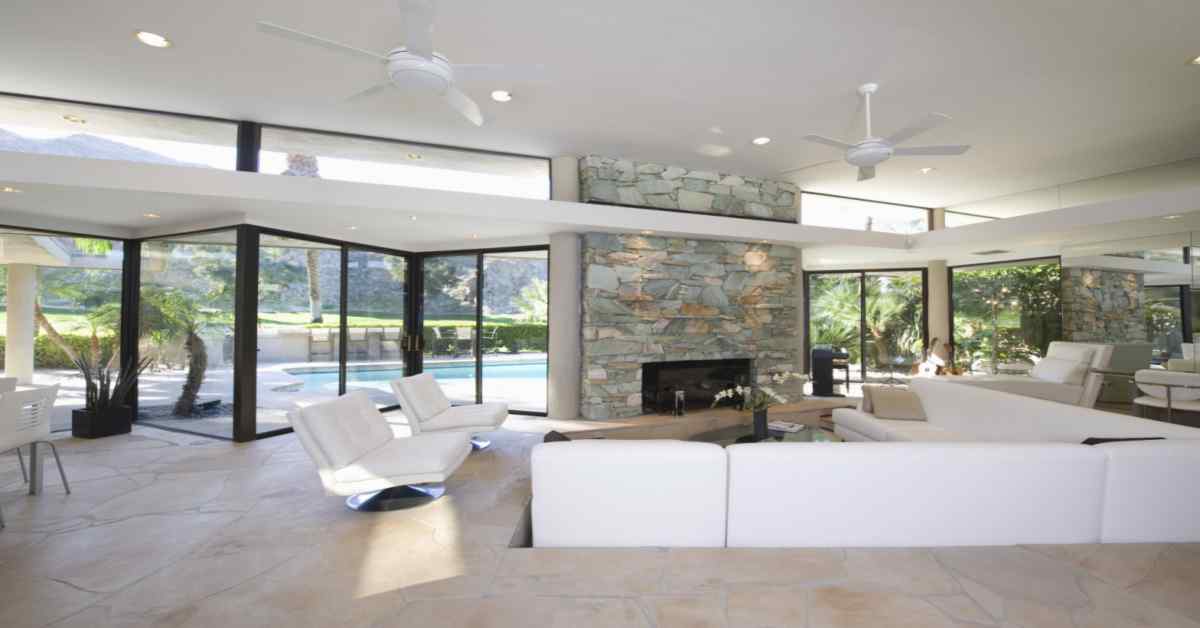
Sunken Living Room Pros Cons and Whether to Fill It In
Some homes make you stop mid-step before they make you smile. A sunken living room can feel dramatic, cozy, and a little risky all at once, which is why homeowners rarely feel neutral about it. In older ranch homes, split-level houses, and custom builds from the 1960s through the 1980s, that small drop was often the “wow” moment of the floor plan. Today, the same feature can either feel like character or like a daily ankle trap.
The hard part is that both reactions can be true. For U.S. homeowners weighing resale, remodeling costs, and family use, a trusted home improvement planning resource can make the decision feel less like guesswork. The question is not whether the feature is stylish or outdated. The better question is whether that change in floor height still serves the way you live now.
Why the Step-Down Layout Feels Special Until Daily Life Tests It
A recessed seating area has one rare advantage that many open-concept homes lack: it creates a room without needing walls. That matters more than people admit. American homes have chased openness for years, but too much openness can make every space feel the same. A floor drop gives the living area its own mood, and when it works, it feels intentional rather than old.
Why a step down living room still wins people over
A step down living room can make an ordinary floor plan feel custom. The shift in level tells your brain that you have entered a separate zone, even when the ceiling, walls, and flooring continue around it. That visual break can make a family room feel warmer, especially in homes where the kitchen, dining area, and lounge share one broad space.
Good design often comes from restraint, not decoration. A recessed area can hold conversation better because furniture naturally gathers around the lower plane. In a Phoenix ranch with tall windows and a long fireplace wall, for example, the drop can frame the seating area so well that removing it would flatten the whole personality of the room.
The unexpected benefit is sound. A lower seating zone can soften the feeling of noise travel because the eye and ear read it as a pocket within the house. It will not replace acoustic planning, but it can make a busy home feel less like one giant room shouting over itself.
Where the sunken floor starts costing you comfort
A sunken floor loses its charm when the step becomes the thing everyone has to remember. Guests pause. Kids race over it. Older relatives avoid it. That small hesitation changes the mood of the space, because a living room should invite people in without making them calculate where their feet go.
Daily use exposes what photos hide. A beautiful room can still be a poor fit if someone carries laundry through it, moves serving trays across it, or walks through it half-awake at night. In many U.S. homes, the recessed area sits between major traffic paths, so the feature becomes less like architecture and more like an interruption.
The counterintuitive truth is that the drop may bother you more in a large room than a small one. In a compact lounge, the level change feels contained. In a wide open plan, the edge stretches across more of your walking path, so the design asks for attention again and again.
The Safety, Value, and Code Questions Behind the Dip
Charm does not cancel liability. Once a floor height change affects movement, it also affects safety, insurance concerns, aging plans, and buyer perception. This is where homeowners need to stop treating the feature as a taste issue. A level change can be beautiful, but the house still has to work for bodies that are tired, distracted, young, injured, or aging.
How a sunken floor changes movement through the house
A sunken floor changes the way people move before they realize it. The edge creates a decision point, and decision points slow people down. That may sound minor, but homes succeed when movement feels natural. A living room that needs warning strips, furniture barriers, or constant reminders has already admitted something.
Families with toddlers often feel this first. One week the recessed area seems charming, then the child starts walking and the whole room becomes a supervision zone. The same issue shows up when someone in the house has knee pain, balance trouble, or a temporary injury after surgery.
A practical test works better than an opinion. Walk through the room carrying two grocery bags, then do it again while looking toward the kitchen instead of the step. If the edge feels like a problem during that simple test, it will not become easier during a party, a holiday meal, or a rushed school morning.
What buyers notice before they notice your style
Buyers often react to floor-plan friction before they react to finishes. They may love the fireplace, the windows, and the new sofa, but the step still plants a question: will this be annoying to live with? In competitive U.S. markets, that tiny doubt can matter because buyers compare homes quickly and emotionally.
A recessed living area can also narrow your buyer pool. Young families may worry about falls. Older buyers may think about aging in place. Remote workers may wonder if the space can adapt to a desk, media setup, or wider walkway. None of those concerns mean the home will not sell, but they can shape offers.
The surprise is that a dated feature can still help resale when the rest of the home supports it. A Palm Springs-style house with terrazzo, clerestory windows, and clean mid-century lines may benefit from the drop. A suburban colonial with chopped-up transitions may not. Context decides whether buyers see charm or repair work.
When Keeping the Drop Makes More Sense Than Filling It
Removal is not always the mature choice. Some homeowners rush toward a flat floor because they assume newer means better, then end up with a bland room that lost its center. The smarter move starts with one question: does the recessed zone solve a design problem that a flat floor would bring back?
How to modernize a step down living room without erasing it
A step down living room can look current when the edge is clear, the materials feel intentional, and the lighting supports the change. The goal is not to hide the drop. Hidden edges create risk. Strong design makes the transition obvious and attractive.
Contrast helps. A trim detail, low-profile lighting, or a flooring change can make the edge easier to read without turning it into a warning sign. In a Denver home with hardwood upstairs and a lower lounge near a stone fireplace, a clean stair nosing and warmer rug can make the recessed area feel designed instead of leftover.
Furniture placement also matters. Sofas should not crowd the step, and chairs should not force guests to back up near the edge. A recessed room works best when the seating plan respects the drop as a boundary, not as dead space to fill.
Where layout, light, and furniture make the drop earn its keep
A recessed room earns its place when it creates intimacy that the rest of the house lacks. Large open homes often need that kind of anchor. Without it, furniture can look like it is floating in a showroom instead of serving real life.
Light can make or break the choice. If the lower area has windows, a fireplace, built-ins, or a ceiling feature that draws the eye, the drop may strengthen the room. If it sits in a darker middle zone with no visual reward, keeping it becomes harder to defend.
The quiet truth is that some “dated” features are only dated because the surrounding design got lazy. Old carpet, weak lighting, shiny railings, and bulky furniture can make the recessed area look guilty by association. Fix those first, and the level change may stop feeling like the problem.
The Fill-In Decision That Deserves a Slow Yes
Filling the drop can be the right move, but it should not be treated as a cosmetic weekend upgrade. You are changing structure, movement, sightlines, flooring, and sometimes mechanical systems. A flat floor sounds simple. The work behind it may not be.
What a fill in living room project actually changes
A fill in living room project usually starts with framing the lower area up to match the surrounding floor height. That sounds clean on paper, but the details decide whether the finished room feels natural. The new structure must meet the existing floor without bounce, squeaks, uneven transitions, or awkward flooring seams.
Contractors may also need to inspect vents, outlets, baseboards, stair edges, and fireplace height. A raised floor can affect how a hearth sits, where trim lands, and whether nearby doors still feel proportionate. In some homes, the recessed zone hides wiring or ductwork that was easy to ignore until the floor came up.
The unexpected win is furniture freedom. Once the floor is level, the room may accept larger sectionals, wider walk paths, and flexible layouts that were awkward before. That matters in homes where the living area has to serve movie nights, guests, pets, work calls, and holiday traffic.
When a raised floor conversion becomes the smarter move
A raised floor conversion makes the most sense when safety, resale, and daily use all point in the same direction. One concern alone may not justify the cost. Three concerns together usually do. If the step limits who can use the room comfortably, the design has stopped serving the household.
Costs vary by region, flooring type, structural needs, and finish level. A simple framed fill with carpet may land far below a project that includes hardwood weaving, electrical updates, fireplace changes, and permit work. Homeowners should ask contractors for line-item pricing, not a single vague number that hides the hard parts.
A raised floor conversion also deserves permit attention. Local rules differ across U.S. cities and counties, and structural floor work may need review. Before signing a contract, check your local building department and review basic safety guidance from a high-authority source such as HUD’s healthy homes resources. Paperwork feels boring until it protects you later.
The best decision comes from pressure-testing the room, not chasing a trend. Invite a contractor, but also invite your future self into the conversation. Think about aging, kids, guests, furniture, resale, and the kind of home life you want five years from now.
A sunken living room is worth keeping when it gives the house identity, comfort, and a clear reason to exist. It is worth filling when it creates hesitation, risk, wasted space, or buyer doubt that design upgrades cannot fix. Do not let nostalgia make the call, and do not let trend panic make it either. Walk the room at night, carry things through it, watch how guests move, and price the work honestly. Then decide like a homeowner, not like someone reacting to a photo online. Your next step is simple: get one design-minded contractor and one practical remodeling estimate before you choose, because the right floor level should make the whole home feel easier to live in.
Frequently Asked Questions
Is a sunken lounge area outdated in American homes?
It can feel outdated when the surrounding finishes, lighting, and furniture still look stuck in another decade. In homes with strong mid-century, desert modern, or custom architectural character, the recessed area can still feel stylish and valuable when it is maintained with intention.
How much does it cost to fill a recessed living room floor?
Costs depend on the size of the drop, framing needs, flooring material, electrical changes, and local labor rates. A basic project may be moderate, while hardwood matching, fireplace adjustments, or permit-driven structural work can raise the price fast.
Does filling in a lowered living room increase resale value?
It can improve resale when buyers see the existing drop as unsafe, awkward, or dated. The value gain is strongest when the finished floor looks original to the home, not patched. Poor workmanship can erase the benefit and create new buyer concerns.
Can you keep a lowered living room safe without removing it?
Clear edges, better lighting, strong contrast, smart furniture placement, and sturdy handrails where needed can reduce risk. The goal is to make the level change easy to see before someone reaches it, especially in homes with kids, guests, or older relatives.
What flooring works best after raising a dropped living area?
The best choice is usually the material that can blend cleanly with the surrounding floor. Carpet is forgiving, luxury vinyl can work well, and hardwood requires skilled matching. The transition should feel planned, not like a repair hidden under furniture.
Should I fill in a recessed room before selling my house?
Consider it when local buyers prefer accessible layouts, the drop interrupts traffic, or showing feedback keeps mentioning safety. Keeping it may be smarter if the feature supports the home’s architecture and looks polished. A real estate agent can help judge your specific market.
Are permits needed to raise a lowered living room floor?
Many areas require permits when framing, electrical work, structural changes, or built-in systems are involved. Rules vary by city and county, so check with your local building department before work begins. Skipping permits can create problems during resale or insurance claims.
What is the biggest mistake homeowners make with recessed living rooms?
The biggest mistake is treating the choice as purely visual. The room may look great in photos and still fail in daily life. Test movement, safety, furniture layout, resale impact, and future needs before deciding whether to keep or fill the space.