
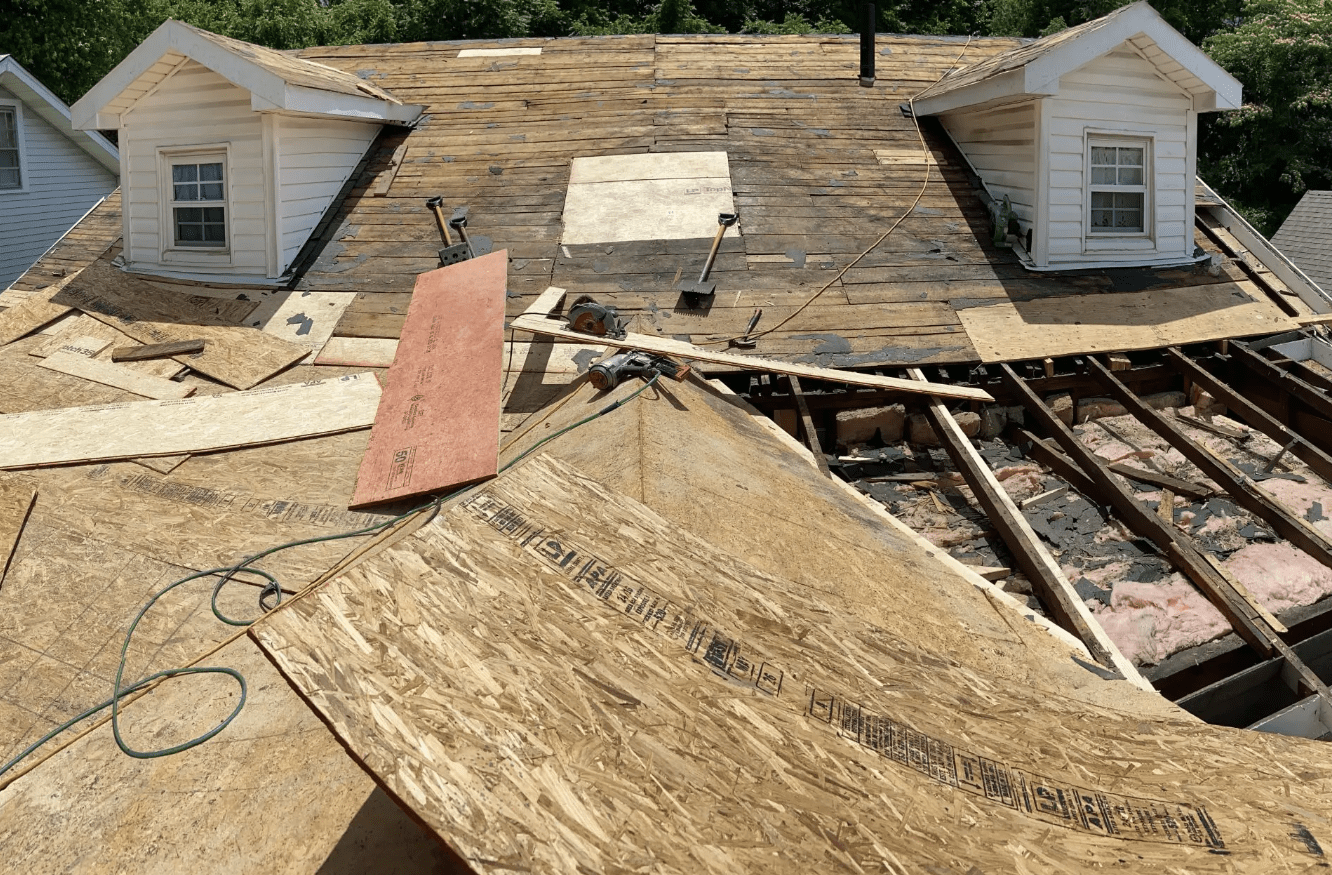
Roof Fascia Board Replacement Guide Before Rot Spreads Further
A soft edge along your roofline is not a small cosmetic flaw. It is often the first warning that water has found a path behind the gutter, under the shingles, or into the trim that protects your home. When fascia board replacement waits too long, the problem usually stops being a board problem and starts becoming a roof, soffit, gutter, and attic problem. That is where the bill gets painful.
For many American homes, the fascia sits in one of the hardest-working spots on the exterior. It holds the gutter line, blocks weather from exposed rafter tails, supports the finished edge of the roof, and helps the house look clean from the street. A homeowner may notice peeling paint first. Then comes a gutter that sags after rain. Then a corner feels soft when touched.
That slow decline is exactly why roofline repairs deserve early attention. Smart homeowners, contractors, and local service businesses often rely on trusted home improvement resources and digital visibility support for service brands to help people understand repairs before damage spreads. The goal is simple: catch the rot while it is still local.
Why Fascia Board Replacement Cannot Wait Once Rot Appears
Rot rarely stays polite. It does not respect the clean line between trim, gutter, soffit, shingles, and framing. Once water gets into the fascia, it keeps looking for the next dry piece of wood to feed on. That is why a small brown stain at the roof edge can turn into a much larger repair after one wet season.
How Roof Fascia Rot Starts Around Gutters
Roof fascia rot usually starts where water lingers longer than it should. A clogged gutter is the usual suspect, especially in states with heavy spring pollen, fall leaves, or ice buildup. Water fills the gutter, spills backward, and soaks the fascia from the top edge where paint protection is weakest.
The tricky part is that the front face may look fine for months. Paint can hide damage while the backside of the board stays damp. By the time the gutter pulls loose, the screws may no longer be gripping solid wood. That is the moment many homeowners realize the issue has been active for a while.
A common example is a ranch home in Ohio with maple trees over the driveway. The homeowner clears the visible leaves twice a year, but the downspout elbow stays packed. Water backs up during every storm, and one 8-foot fascia section quietly rots from behind. From the street, it looks like a paint problem. Up close, it is a structural warning.
Why Small Soft Spots Become Larger Repairs
A rotted fascia board does not fail all at once. It weakens in layers. First the paint blisters, then the surface fibers soften, then screws loosen, and then the gutter begins to tilt. Each stage invites more water into the same area, which speeds up the next failure.
The unexpected part is that the ugliest section is not always the worst section. Sometimes the board looks rough at one corner, but the hidden damage runs behind the gutter for several feet. That is why tapping, probing, and checking the full run matters more than judging the problem by appearance alone.
Homeowners often try to patch the visible spot with filler and paint. That can work on shallow surface damage, but it fails fast when the wood behind the repair is still wet. Paint is not armor. It is only a skin, and a skin cannot save wood that has already lost its strength.
Finding the Real Cause Before You Remove the Board
The board is the victim more often than the villain. Replacing it without fixing the source of moisture is like mopping a floor while the sink still leaks. You may get a cleaner look for a few months, but the same stain comes back because the original problem never left.
Checking Gutters, Drip Edge, and Shingle Overhang
Fascia board repair starts with water behavior. Watch where rain moves during a storm if you can do it safely from the ground. Water should land in the gutter, move toward the downspout, and leave the house through an extension or underground drain. If water sheets over the gutter or curls behind it, the fascia will keep suffering.
A missing or poorly placed drip edge is another common issue. The drip edge should help direct water away from the fascia and into the gutter. On older homes, especially those reroofed more than once, the metal edge may be missing, buried, bent, or too short to do its job.
Shingle overhang also matters. Too little overhang lets water cling to the roof edge. Too much overhang can sag into the gutter and trap debris. The sweet spot depends on the roof setup, but the principle is simple: water must leave the roof cleanly without soaking the wood behind the gutter.
Inspecting Soffit and Fascia Damage Together
Soffit and fascia damage often travel as a pair because they meet at the roof edge. The soffit covers the underside of the eaves, while the fascia closes the front edge. When one gets wet long enough, the other may already be affected.
Look for waves, dark stains, peeling paint, insect activity, and gaps where animals can enter. In warmer U.S. regions, carpenter ants and termites may turn damp wood into a bigger headache. In colder states, freeze-thaw cycles can open small cracks and let moisture push deeper.
This is where a careful inspection beats a quick glance. A contractor may remove a short gutter section and find that the fascia face looked bad, but the soffit panel behind it stayed solid. Another house may show the opposite: the fascia appears decent, yet the soffit edge is crumbling from trapped moisture. Repairs should follow the actual damage, not assumptions.
Choosing Materials That Survive Your Local Climate
A replacement board should not be chosen only by price. The roof edge faces sun, wind, rain, snow, gutter weight, insects, and seasonal movement. A cheap board installed in a tough climate may cost more over time than a stronger material installed once with care.
Wood, PVC, and Composite Options Compared
Traditional wood still works when it is properly primed, painted, and maintained. Cedar and redwood resist decay better than basic pine, though prices and availability vary by region. Primed finger-jointed trim can look clean, but exposed joints need careful sealing.
PVC trim is popular because it does not rot. That sounds like an easy win, and in many cases it is. Still, PVC expands and contracts with temperature changes, so installation details matter. Long runs need proper fastening, joint planning, and paint choices that can handle heat.
Composite trim sits between wood and PVC for many homeowners. It can resist moisture better than ordinary lumber while holding paint well. The catch is that not all composite boards behave the same. Some are denser, heavier, or more demanding to cut and fasten. The right choice depends on the house, climate, budget, and installer skill.
Why Paint and Primer Matter More Than People Think
A fascia board repair can fail early because someone only painted the front face. That is a mistake. The top edge, back side, bottom edge, and cut ends all need protection before installation. Water loves exposed end grain, and end grain drinks moisture fast.
Primer is not decoration. It is part of the weather defense. A board that gets two careful coats before installation has a better chance than one rushed into place and painted afterward. This matters most near gutter joints, inside corners, roof valleys, and shaded sides of the home where drying takes longer.
A good example is a coastal home in North Carolina. Salt air, wind-driven rain, and humid summers punish exposed trim. Two boards may look identical on day one, but the properly sealed board holds up while the quick-painted board starts swelling at the ends. The difference is not luck. It is preparation.
Replacing the Fascia Without Creating New Problems
The physical repair looks simple from the ground: remove the old board, install a new one, paint it, and rehang the gutter. In real life, the details decide whether the repair lasts. A straight board installed against an unresolved leak still becomes tomorrow’s rot.
Safe Removal Without Damaging Roof Edges
Gutters should come off carefully when they block access. Pulling them loose without support can bend the metal, tear hangers, or damage nearby shingles. The same caution applies to old fascia nails or screws. Force can crack soffit panels or disturb the roof edge.
The damaged board should be removed back to solid material. That may mean replacing a full section instead of cutting out the worst 2 feet. Clean cuts, solid backing, and secure fastening make the finished repair stronger. If the rafter tails behind the fascia are soft, the job has moved beyond trim work and needs deeper repair.
This is the point where homeowners should be honest about ladder safety. One-story sections over flat ground may be manageable for a skilled DIYer. High gables, steep grades, power lines, or long gutter runs belong with a pro. Saving labor money is not worth a fall.
Reinstalling Gutters So Water Leaves Cleanly
Fascia board replacement only works when the gutter goes back correctly. The gutter needs the right slope, solid hangers, sealed joints, and clear downspouts. A pretty new board behind a badly pitched gutter is already in trouble.
Downspout discharge matters too. Water should move away from the foundation, not dump beside the porch or splash back against siding. In many U.S. neighborhoods, short extensions cause more damage than people expect because the same water keeps cycling near the house after every storm.
A smart finish includes a final water test. Run water through the gutter and watch what happens. Look for leaks at seams, overflow near valleys, and drips behind the gutter. The repair is not complete when the paint dries. It is complete when rain has nowhere destructive to go.
Conclusion
Your roof edge tells the truth before the rest of the house does. A sagging gutter, blistered paint, or soft trim board is not background noise. It is the house pointing to a moisture problem before that problem gets expensive.
The best move is not panic. It is timing. Catch the damage early, find the water source, choose the right material, seal every edge, and make sure the gutter system works after the repair. That sequence matters because fascia board replacement is only as strong as the moisture control behind it.
A careful homeowner does not need to know every carpentry trick. You need to know when a board is no longer protecting the roofline and when the repair has outgrown a weekend patch. Walk the perimeter after heavy rain, look under the eaves, and treat small warning signs like they mean something.
Call a qualified local exterior repair or roofing professional before rot spreads into the structure. The cheapest repair is the one you do while the damage is still small.
Frequently Asked Questions
How do I know if my roof fascia board is rotting?
Soft wood, peeling paint, dark staining, loose gutters, and crumbling edges are common signs. Press gently with a screwdriver in a hidden spot. If the wood feels spongy or breaks apart, moisture has likely damaged more than the surface.
Can I replace a rotted fascia board myself?
A skilled DIY homeowner may handle a low, easy-to-reach section on a one-story house. Tall rooflines, long gutter runs, steep ground, or soft rafter tails should be handled by a professional because safety and hidden structural damage become bigger concerns.
What causes roof fascia rot near gutters?
Clogged gutters, poor gutter slope, missing drip edge, roof leaks, and trapped debris often cause the damage. Water backs up or runs behind the gutter, soaking the board repeatedly until paint fails and the wood begins breaking down.
Should gutters be removed before fixing fascia boards?
Usually, yes. Gutters often cover the damaged area and hide the top edge of the board. Removing them allows a full inspection, cleaner replacement, better sealing, and proper reinstallation so water drains correctly afterward.
What is the best material for replacing fascia boards?
Wood, PVC, and composite trim can all work when installed correctly. Wood needs strong sealing and maintenance. PVC resists rot but moves with temperature. Composite offers good durability, though quality varies by product and installation method.
How much fascia damage is too much for repair filler?
Filler only makes sense for shallow surface flaws in dry, solid wood. If the board feels soft, crumbles, holds loose fasteners, or has damage behind the gutter, replacement is the better repair. Filler cannot rebuild rotten structure.
Can damaged fascia boards lead to roof leaks?
Yes, damaged fascia can let water reach soffits, rafter tails, roof decking edges, and attic spaces. It may also loosen gutters, which sends more water into vulnerable areas. Early repair helps prevent the problem from moving inward.
How often should roof fascia be inspected?
Check it at least twice a year, ideally in spring and fall. Also inspect after major storms, heavy leaf drop, ice buildup, or gutter overflow. A five-minute walkaround can catch peeling paint, sagging gutters, and soft spots before repairs grow.