
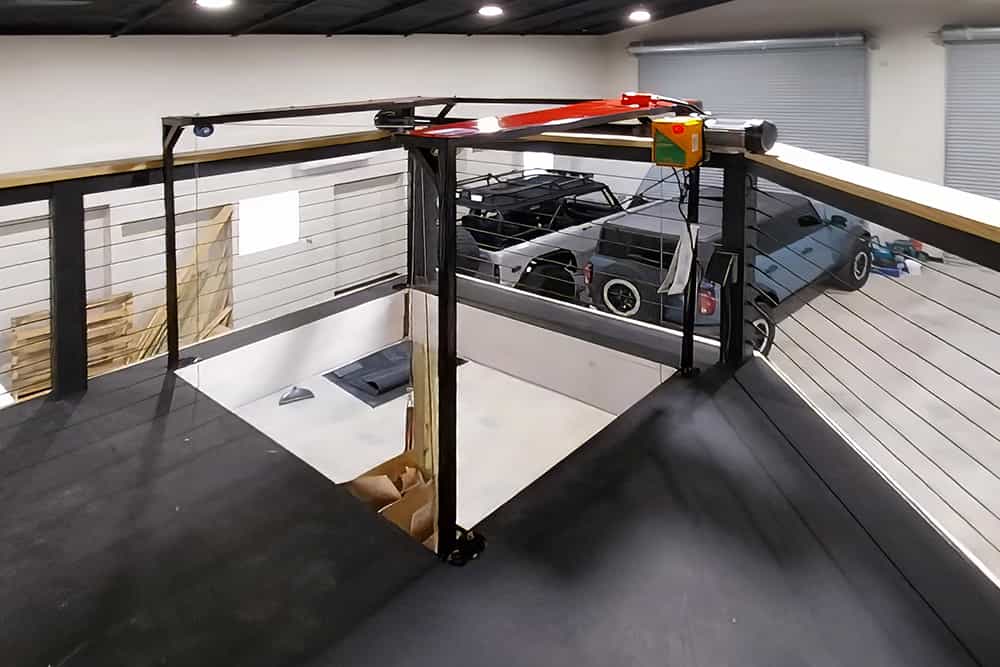
Garage Attic Storage Platform Ideas That Use Overhead Space Fully
Most garages do not run out of room on the floor first; they run out of patience. Once bikes, totes, coolers, paint cans, and holiday boxes start crowding the wall, garage attic storage becomes the difference between a space that works and a space that nags you every time the door opens. The trick is not to shove more stuff above your head. The trick is to build a safe, reachable, and honest system that respects weight, heat, access, and the way American families use a garage through the year. Before you copy a project from a home improvement planning resource, slow down and look at your own ceiling bays, door tracks, lighting, and attic framing. A smart platform should make the garage calmer, not turn the ceiling into a hidden junk drawer with plywood over it.
Garage Attic Storage That Starts With Safe Load Planning
A platform over a garage feels harmless because the space already exists, but empty air is not the same as free structure. Many U.S. garages were built for cars, tools, and light attic access, not a packed second floor above the opener. The first good decision is boring: find out what the framing can carry before you buy lumber, bins, or a pull-down ladder.
The ceiling also hides clues that homeowners miss from the floor. Long spans, engineered trusses, old repairs, and sagging drywall tell a story before any screw goes in. Read that story first, because a clean platform should protect the house instead of asking the ceiling to pretend it is a bonus room.
How Much Weight Should an Attic Storage Platform Hold?
A safe attic storage platform starts with the joists, not the plywood. Ceiling joists in a typical tract home may be sized to hold drywall and insulation, while floor joists are sized for people and stored loads. Those are different jobs, and treating them as the same can lead to sagging drywall, cracked seams, or worse.
A family in suburban Dallas might want to store camping gear, Christmas bins, and kids’ sports bags above a two-car garage. That sounds light until the boxes multiply and someone stacks old tile, books, or paint cans on the same deck. Weight creeps in quietly. The platform should be planned around bulky but light items, not anything dense enough to make you grunt.
Create a storage list before you create a cut list. Count the bins you plan to store, then name what goes inside each one. This small step exposes the risky items early, especially when a “holiday” bin somehow includes cast iron décor, glassware, and a box of unused hardware.
Local building rules matter because garage framing varies by age, span, and region. A 1970s ranch in Michigan may not match a newer Florida build with trusses and strict hurricane details. When in doubt, have a contractor or structural engineer look at it, and check the International Code Council for code direction before assuming the ceiling can carry family history in plastic tubs.
Where Should the Platform Stop Before It Creates Trouble?
The best platform is often smaller than the one you first imagine. A full garage ceiling deck can block access to wires, lights, attic ventilation, and the garage door opener. Worse, it can tempt you to store far more than the framing should ever carry. Good design leaves room for inspection and repairs.
Leave clear space around attic hatches, junction boxes, roof vents, and opener hardware. Keep the platform away from areas where someone might crawl across fragile drywall or step on insulation by mistake. A platform that forces awkward movement is not storage; it is a future accident waiting for a Saturday.
Service space deserves the same respect as storage space. Leave a route for someone to reach a roof leak, a loose wire, or a noisy opener bracket without unloading half the platform first. The best overhead systems look a little unfinished at the edges because they leave room for the house to be maintained.
The counterintuitive move is to build less deck and make it more disciplined. A tight platform with labeled zones beats a wall-to-wall shelf that turns into a mystery layer. You gain control by drawing a boundary and refusing to let the ceiling become a second basement.
Building a Platform Layout Around Real Garage Habits
Structure keeps the platform safe, but daily behavior keeps it useful. The best layout starts with the way you leave the car, unload groceries, pull out lawn tools, and grab seasonal bins. A platform that ignores those movements may look clever in photos and fail by the second month.
Garages have traffic patterns like kitchens. One household parks two cars every night, while another uses one bay for a freezer, a workbench, and school sports gear. Your ceiling plan should follow those habits instead of fighting them, because storage only works when it respects the path your feet already take.
Why Overhead Garage Storage Works Best in Zones
Overhead garage storage works best when every zone has a job. One section can hold winter decorations, another can hold camping gear, and a third can hold off-season sports items. Zones prevent the common garage problem where every box becomes “miscellaneous” and nobody knows what is above them.
Think in seasons, not categories alone. In New Jersey, snow shovels, ice melt, and sleds belong near the access point during winter, while beach chairs can move deeper into the platform. In Arizona, pool gear and shade canopies may deserve the prime spot instead. The right zone depends on your weather, not a generic garage diagram.
A useful platform also respects the car below it. Do not place the most-used bins over the hood if you need a ladder every time. Put frequent items near the hatch or lift area, and push rarely used keepsakes farther back. Good storage feels boring because the next step is obvious.
Draw a simple ceiling map and tape it near the access point. Use plain labels such as “winter,” “sports,” “camping,” and “keepsakes” rather than vague family categories. That map saves time when someone else needs the space and you are not home to explain where the folding chairs went.
How Can Garage Ceiling Storage Stay Easy to Reach?
Garage ceiling storage fails when access becomes a chore. If you need to move two bikes, drag a ladder around a parked SUV, and balance a tote on one knee, you will stop using the system. Storage that is hard to reach becomes storage you resent.
Choose access based on the load and the person using it. A pull-down attic ladder may suit light bins and occasional use, while a fixed platform opening with a sturdy step ladder can work for a smaller garage. Ceiling-mounted lift racks may help with bikes or bins, but they need clear travel paths and enough headroom above the garage door.
Lighting belongs in the plan too. A dark platform encourages rushed movement, bad footing, and sloppy stacking. Add a safe fixture or bright work light location before the deck fills, because the time to think about visibility is before you are holding a tote at shoulder height.
The quiet test is simple: can you reach the item on a rainy weeknight without turning the garage into a wrestling match? If not, the layout is too clever for real life. Access is not a detail you add later; it is the feature that decides whether the platform earns its space.
Materials, Access, and Airflow Choices That Protect the Space
A garage attic can punish bad material choices. Heat rises, moisture collects, and wiring hides where homeowners least expect it. The platform has to hold storage, but it also has to protect the house from trapped heat, blocked airflow, and sloppy fastening.
Attached garages carry another concern that deserves respect. The ceiling may be part of the separation between the garage and living space, especially when a bedroom sits above or beside it. Cutting, drilling, or opening that area without checking the assembly can create problems that no tidy row of bins can excuse.
Why an Attic Storage Platform Needs the Right Decking
An attic storage platform should use decking that spreads load without trapping problems underneath. Plywood or oriented strand board can work when it is sized and fastened correctly, but thin panels that flex underfoot are a bad bargain. The deck should feel firm, flat, and boring under a careful step.
Panel size matters less than support and placement. Stagger seams over framing, fasten panels securely, and avoid loose boards that shift when a bin slides across them. A small platform with good fastening beats a large one that drums, squeaks, or bends every time someone climbs up.
Raised decking can help where insulation needs height, but it still has to be built with care. Blocking, sleepers, or manufactured supports must transfer loads properly and avoid crushing insulation into a useless mat. A platform that saves storage space while wasting energy is a poor trade.
Do not bury insulation without thinking. Compressed insulation loses performance, and covered wires can become harder to inspect. In a cold Wisconsin garage, poor insulation care can mean colder rooms nearby. In a hot Georgia garage, trapped heat can make stored items age faster than expected.
How Do You Keep Heat, Wiring, and Insulation Safe?
The space above a garage is not a clean empty box. It may hold electrical runs, recessed lighting housings, ductwork, plumbing, roof vents, or low truss webs. A platform that ignores those parts can create repair headaches long after the last screw goes in.
Keep decking clear of exposed wiring unless the wiring is protected and the route remains visible. Leave breathing room near soffit vents and roof ventilation paths, because airflow helps the attic shed heat and moisture. If you see loose insulation, old knob-and-tube wiring, roof stains, or animal damage, pause the project until those issues are handled.
Heat can be harder on stored items than people expect. A garage attic in Phoenix can bake plastic bins, dry out rubber parts, and fade fabric inside clear containers. In humid Gulf Coast areas, moisture can punish cardboard and soft goods. Store for the climate you have, not the climate in the product photo.
Here is the odd truth: storage can make maintenance harder even when it makes the garage cleaner. A packed platform may hide a slow roof leak for months. Leave inspection lanes, photograph the framing before covering it, and keep a small note near the access point that reminds future you where wires, vents, and odd framing details sit.
Turning Empty Air Into a Clean, Repeatable System
Once the platform exists, the real work begins. A garage can absorb clutter faster than any room in the house because it does not ask questions. Your system has to make good choices easier than bad ones, or the new deck will fill with random boxes before the season changes.
This is where design becomes behavior. Shelves, bins, and labels do not fix indecision on their own. The platform needs rules that fit your household, because a family with three kids, two dogs, and a lawn mower has a different clutter pattern than a retired couple with one car and a fishing habit.
Which Garage Organization Ideas Prevent the Platform From Becoming a Dump?
The strongest garage organization ideas use limits, labels, and removal rules. Clear bins help when the contents need to be seen, but solid bins protect light-sensitive items and look cleaner from below. Either way, every container needs a label that names the contents and the season.
Create a short storage rule before the first box goes up. The platform should hold seasonal, light, and low-use items only. It should not hold leftover flooring, canned paint, old electronics you might repair one day, or anything that could leak. A ceiling platform is not a guilt shelf.
A simple inventory card can stop the slow slide into chaos. Tape one card near the access point, or keep a shared phone note with the bin names and dates. When someone adds a tote, they add it to the list. That tiny habit turns the platform from a hiding place into a managed space.
One practical method is the “one ladder trip” rule. If an item is not worth one planned trip up or down, it probably belongs somewhere else. That small filter keeps the platform from swallowing spare cords, half-used cleaners, and broken gear that nobody wants to admit is trash.
How Should Seasonal Items Move In and Out?
Garage organization ideas only work when the calendar supports them. Pick two reset times each year, such as late April and early October, and rotate bins around the access point. That rhythm fits much of the U.S., where outdoor gear, holiday items, and weather tools shift in clear waves.
Build the platform around movement, not storage alone. Put the next season’s bins closest to the opening, with the current season either at floor level or on lower wall shelves. When Thanksgiving ends, the holiday tote should not require you to unload summer camping gear first.
The rotation should feel like a small household routine, not a punishment. Set a 30-minute limit, pull down only the bins tied to the coming season, and decide what goes back up before anything else gets added. A short reset beats a heroic cleanup that nobody wants to repeat.
The best systems also include a donation box on the garage floor during each reset. When a bin comes down, open it before it goes back up. If the contents did not earn space in the past year, the platform is telling you something useful. Listen before you lift it again.
Conclusion
A garage ceiling can feel like bonus square footage, but it only pays off when you treat it like part of the house instead of leftover space. The goal is not to hide more stuff above the cars. The goal is to make the garage easier to use on an ordinary Tuesday, when nobody has the energy for a major cleanup.
Good garage attic storage starts with restraint. You plan the load, protect the framing, leave access for repairs, and build a system that favors light, seasonal items over heavy regret. The smartest homeowners do not build the largest platform they can fit. They build the smallest one that solves the problem cleanly. That restraint matters because every extra square foot above your head invites extra weight, extra dust, and extra decisions someone will have to deal with later.
Walk the garage with a tape measure, a flashlight, and a trash bag before buying a single sheet of plywood. Mark the safe zones, name the bins, and decide what does not deserve to go up there. Build for the life you have, and the ceiling can finally stop being wasted space.
Frequently Asked Questions
What is the safest way to build storage above a garage?
Start by checking the framing and load limits before adding any deck. Store light, bulky items only, keep access clear, and avoid covering wiring, vents, or insulation without planning. A contractor should inspect the structure if you are unsure how the garage was framed.
How much weight can a platform over a garage hold?
The safe weight depends on joist size, span, framing type, and local code. Many garage ceilings were not built to act like floors. Use the space for light bins and seasonal items, and get professional guidance before storing dense items like tile, books, or tools.
What items should not be stored in a garage attic?
Avoid paint, chemicals, electronics, candles, food, photos, heavy boxes, and anything that can melt, leak, warp, or attract pests. Garage attics can swing from hot to cold through the year, so store durable seasonal gear rather than fragile or valuable items.
Is plywood good for an overhead attic platform?
Plywood can work when it is thick enough, supported correctly, and fastened over suitable framing. Thin panels can flex and become unsafe. The decking should spread weight across joists while still leaving access to wiring, insulation, vents, and future repair areas.
How do I organize overhead garage storage without losing track of items?
Use labeled bins, group items by season, and keep a simple map near the access point. Put the next season’s bins closest to the opening. During each reset, open every bin before it goes back up so unwanted items do not keep taking space.
Can garage ceiling storage work with a garage door opener?
Yes, but only when the layout leaves safe clearance around the opener, tracks, springs, lights, and door movement. Measure the full travel path before installing anything overhead. Access should never require you to stand under moving parts or work around tight hardware.
Do I need a permit for a platform above my garage?
Permit rules vary by city, county, and project size. Small storage decks may not need one, but structural changes, ladders, electrical work, or major framing changes can trigger permits. Contact your local building department before building if the platform changes how the space is used.
What size should an overhead attic platform be?
The best size is the smallest platform that holds your planned light, seasonal items safely. Leave room for vents, wiring, inspection paths, and comfortable movement. A controlled platform near the access point often works better than a large deck that encourages clutter.