
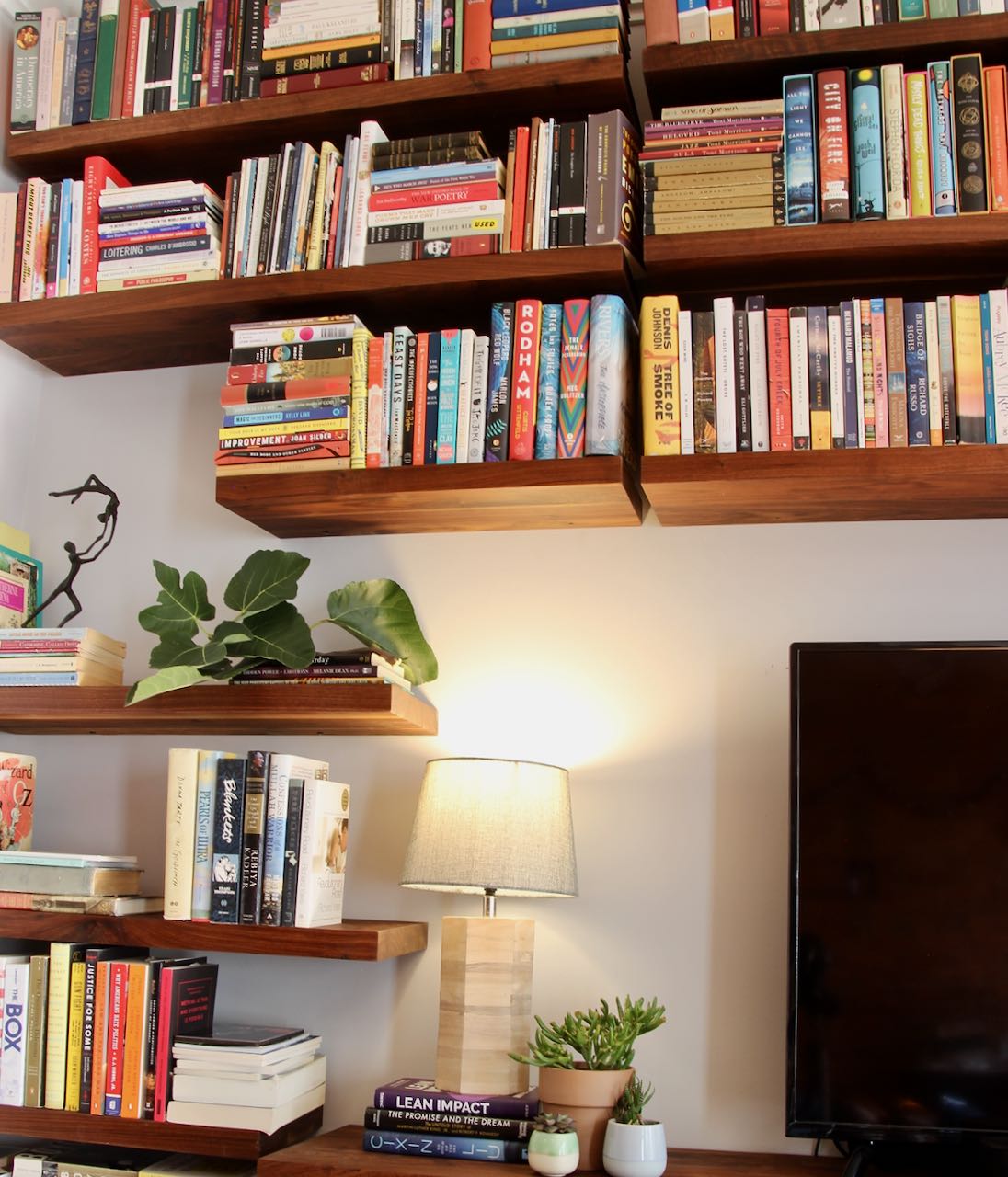
Bedroom Floating Shelf Installation Guide for Any Wall Material
A bedroom shelf looks simple until it starts leaning, sagging, or pulling paint off the wall. A good floating shelf guide begins with the wall behind the finish, because drywall, plaster, brick, concrete block, and tile all behave differently under weight. Most U.S. bedrooms hide their structure behind paint, so the real work happens before the drill ever touches the wall. You need to know what you are fastening into, what the shelf will hold, and how the room will be used every day.
That matters even more in bedrooms, where shelves often sit above beds, desks, dressers, or nightstands. A shelf that holds books over a pillow needs more caution than one holding a small framed print beside a closet. Smart home projects also benefit from better planning, and resources like practical home improvement planning can help you think beyond one small weekend job. The goal is not to make the shelf look attached. The goal is to make it behave like it belongs there.
A Floating Shelf Guide Starts With the Wall, Not the Shelf
Most failed shelf projects start with a confident guess. Someone taps the wall, assumes the material, buys a pack of anchors, and hopes the shelf will forgive the shortcut. It usually does not. The wall decides the hardware, the drill bit, the weight limit, and even the shelf position.
How Bedroom Wall Shelves Should Work Around Beds, Dressers, and Walkways
Bedroom wall shelves should solve a room problem without creating a new one. A shelf above a headboard can look calm and finished, but it should never sit where a sleeping person could bump it or where heavy items could fall during a hard door slam. In a small U.S. apartment, that may mean shifting the shelf a few inches higher than the design photo you saved.
The best placement often feels less dramatic than the picture in your head. A narrow shelf above a desk can hold small speakers, a plant, or a clock without crowding the work surface. A pair of shelves beside a dresser can replace a bulky bookcase. The quiet win is floor space, not decoration.
A counterintuitive rule helps here: the prettiest wall is not always the safest wall. Exterior bedroom walls may have insulation, older plaster, masonry, or hidden wiring paths. Shared apartment walls may have metal studs. The wall that looks blank and easy can become the hardest one to fasten into cleanly.
Drywall Shelf Mounting Without Guesswork
Drywall shelf mounting works best when you treat drywall as a surface, not a structure. Standard drywall does not have much holding strength by itself, especially when the shelf projects outward and creates pull. That outward pull is what surprises people. A shelf does not only press down; it also tries to peel away from the wall.
Studs change the whole job. In many U.S. homes, wood studs are spaced 16 inches on center, though 24 inches also appears in some builds. A stud finder helps, but it should be checked with small pilot holes or careful measuring from outlets and trim. Cheap confidence gets expensive after the first oversized hole.
When studs do not line up with the shelf bracket holes, use anchors made for the load and wall type. Toggle bolts often outperform small plastic anchors for heavier shelves because they spread force behind the wall. Still, the shelf rating, anchor rating, and wall condition must agree. One strong part cannot rescue a weak system.
Match Hardware to Drywall, Plaster, Masonry, and Tile
Once you know the wall, the hardware choice becomes less emotional. You stop asking, “Will this anchor work?” and start asking, “What is this anchor designed to grip?” That shift saves holes, time, and a fair amount of frustration.
Wall Anchor Types That Match Real Weight
Wall anchor types are not interchangeable. Small plastic expansion anchors can handle light decor in sound drywall, but they are a poor choice for deep shelves loaded with books. Self-drilling anchors are convenient, yet they still depend on drywall strength. Toggle anchors need a larger hole, but they lock behind the wall and carry load more confidently.
Plaster walls need a calmer hand. Old plaster over wood lath can crack if you attack it with the wrong bit or push too hard. Pre-drilling matters. So does avoiding hammer mode unless you have confirmed masonry behind the surface. Many older American homes punish rushed drilling with spider cracks that spread beyond the shelf area.
Masonry needs masonry hardware. Brick, concrete, and block usually require a masonry bit and anchors made for mineral material. Brick faces can chip near edges, so drilling into mortar may seem tempting. That choice depends on the shelf load and mortar condition. For heavier shelves, sound brick often gives a better bite than crumbly joints.
Shelf Bracket Spacing That Keeps the Line Level
Shelf bracket spacing does more than hold weight. It controls sag, tilt, and the way the shelf feels when you place objects near the edge. A long shelf with brackets too close together can bow in the middle. A short shelf with uneven brackets can look wrong even when it is technically level.
Hidden brackets need extra care because the shelf body hides the support system. The rods or mounting plate must sit level, and the holes in the shelf must match cleanly. A tiny error at the wall can become an obvious tilt at the front edge. That is why dry-fitting before final tightening is not wasted time.
A useful trick is to think like the shelf is already loaded. Place supports closer to where weight will sit, not only where the shelf looks balanced. Books at one end, a heavy ceramic lamp, or a full row of storage boxes can make the shelf behave differently than an empty test fit. The strongest layout is planned for real life.
Drill Cleanly, Fasten Firmly, and Respect Hidden Risks
The middle of the project is where patience pays. Marking, drilling, anchoring, and tightening do not look impressive, but they decide whether the shelf stays flat next month. Bedrooms also bring hidden risks because walls may carry wiring to lamps, outlets, sconces, thermostats, or media cables.
How to Mark Holes Without Fighting the Level
Clean layout starts with painter’s tape. Put tape on the wall where the shelf will sit, then mark the centerline, bracket holes, and stud locations on the tape instead of the paint. This gives you a visual map and reduces the chance of smudged pencil marks across a finished bedroom wall.
A level matters, but it should not be your only reference. Ceiling lines, window trim, and old floors in U.S. homes can be slightly out of square. A shelf that is mathematically level may look tilted beside a crooked door casing. Split the difference only when the eye demands it, and keep the shelf safe first.
Mark every hole before drilling any hole. That small pause catches most layout mistakes. If one hole lands too close to an outlet path or misses a stud by a narrow margin, you can adjust before the wall turns into a patching job. The wall gives you one clean first attempt. Use it well.
Drilling Into Tile, Brick, and Concrete Without Damage
Tile requires a slow start. A standard drill bit can skate across the glaze and scratch the surface before it cuts. Use tape over the mark, start with light pressure, and let the correct bit do the work. Hammer mode can crack tile if used too early, so save it for masonry behind the tile after the surface is pierced.
Brick and concrete need controlled pressure, not brute force. A masonry bit should cut steadily when matched to the anchor size. If dust stops coming out, back the bit out and clear the hole. A dirty hole can keep the anchor from seating fully, which makes tightening feel solid when it is not.
The unexpected part is that the drill sound often tells you what is happening. Drywall has a hollow, soft feel. Studs resist differently. Masonry grinds. Tile squeals before it settles. Paying attention to that feedback helps you stop before you damage a finished wall or force the wrong fastener into the wrong material.
Finish the Shelf So It Looks Built-In and Stays Useful
A shelf can be structurally sound and still look like an afterthought. The finish stage matters because bedrooms are close-range rooms. You see the underside while lying down, the edges while walking past, and every tiny gap in morning light.
How to Hide Small Gaps, Touch Up Paint, and Style Lightly
Small gaps between the shelf and wall usually come from uneven drywall, bowed plaster, or a bracket plate that is not sitting flat. Do not try to hide a structural problem with caulk. Tighten, shim, or correct the mount first. Caulk and paint only belong after the shelf is secure.
Touch-up paint should be handled with restraint. Fresh paint around a shelf can flash under daylight, especially on eggshell and satin finishes. Feather the edge lightly instead of painting a hard rectangle around the shelf. In rentals, keep paint chips and anchor packaging so repairs later are less painful.
Styling should respect the hardware. Bedroom wall shelves often look better with fewer items and more negative space. A low plant, two books, a framed photo, and a small tray can feel intentional. A crowded shelf above a bed can feel like storage trying to disguise itself as decor.
When to Stop and Call a Pro
Some walls deserve professional help. If you hit metal unexpectedly, smell burning, see crumbling plaster, find damp drywall, or suspect electrical wiring, stop. A shelf is not worth a damaged wire, cracked tile field, or hidden water issue. The smartest DIY move is sometimes putting the drill down.
Heavy shelves also change the stakes. Deep hardwood shelves, long book shelves, and shelves holding electronics need more than hope and package claims. The same goes for nursery rooms, bunk bed areas, and shelves above sleeping spaces. Safety guidance from groups such as the U.S. Consumer Product Safety Commission is worth taking seriously when furniture or wall-mounted items could fall.
The final check is simple. Press down gently, pull forward lightly, and watch for movement at the wall. Then load the shelf in stages instead of placing everything on it at once. Good shelf bracket spacing, correct anchors, and patient drilling should leave the shelf feeling boringly solid. Boring is perfect here.
Conclusion
A bedroom shelf should make the room calmer, not give you one more thing to worry about. The difference comes from treating the wall as part of the project instead of a blank surface waiting for hardware. Drywall, plaster, brick, concrete, and tile each ask for a different kind of respect, and the shelf rewards you when you listen early.
A smart floating shelf guide is not about buying the most expensive bracket or copying the cleanest photo online. It is about matching the support to the wall, placing the shelf where daily life makes sense, and testing the result before you trust it with anything breakable. That mindset turns a weekend task into a lasting upgrade.
Start with the wall material, confirm your support points, choose hardware for the real load, and finish with restraint. Your next step is simple: inspect the wall you want to use, mark the safest shelf location, and build from the structure outward.
Frequently Asked Questions
What is the safest way to install a floating shelf above a bed?
Keep the shelf shallow, light, and high enough to avoid head contact. Fasten into studs whenever possible, and avoid storing books, glass, candles, or heavy decor above sleeping areas. A shelf above a bed should be treated as a safety decision first and a design choice second.
Can I install bedroom wall shelves without drilling into studs?
Yes, but only for lighter loads and only with anchors rated for your wall type. Toggle anchors are often better than small plastic anchors in drywall. For heavy books, electronics, or long shelves, studs or masonry fasteners are the safer choice.
What anchors work best for drywall shelf mounting in a bedroom?
Toggle bolts and heavy-duty drywall anchors usually perform better than basic plastic anchors. The right choice depends on shelf depth, wall condition, and total weight. Always check the anchor package rating and remember that a projecting shelf creates outward pull.
How much weight can a floating shelf hold on plaster walls?
The weight limit depends on the plaster condition, lath, bracket style, and whether the fasteners reach studs. Old plaster can crack or crumble around weak holes. For meaningful weight, locate studs or use a mounting method designed for older walls.
Should shelf bracket spacing match the studs exactly?
Studs are ideal support points, but bracket placement also needs to prevent sag. If the shelf is long, supports may need to sit near the ends or under heavier items. When studs do not match the bracket layout, use a mounting board or proper anchors.
Is it better to drill into brick or mortar for a bedroom shelf?
Sound brick often holds better for heavier shelves, while mortar may be easier to repair later. Weak or sandy mortar should not carry much load. The best choice depends on the wall condition, shelf weight, and anchor type.
How do I keep a floating shelf level during installation?
Mark all holes before drilling, use a level across the bracket, and dry-fit the shelf before final tightening. Check the front edge too, not only the back plate. Small bracket errors become more visible once the shelf projects from the wall.
Can renters install floating shelves without damaging bedroom walls?
Renters should check the lease first and avoid heavy shelves unless wall repairs are allowed. Small shelves still leave holes, especially when anchors are used. Removable strips are only suitable for light decor shelves and should never hold breakable or heavy items.