
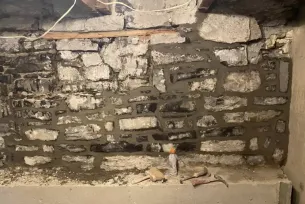
Exterior Brick Pointing Repair Methods That Restore Structural Integrity
Old brick rarely fails all at once; it warns you in thin lines, sandy joints, small gaps, and damp patches that seem harmless until the wall starts losing its grip. For many American homes, brick pointing repair is the difference between a wall that sheds weather properly and one that quietly pulls moisture into the structure behind it. A strong brick wall depends less on the brick face than most people think; the mortar joint does the daily work of cushioning movement, blocking rain, and keeping each unit locked in place. Homeowners who read trusted property improvement guidance already know that exterior masonry rewards early action. Wait too long, and a small repair becomes a wall rebuild. The smartest approach is not cosmetic touch-up. It is careful joint removal, mortar matching, controlled application, and patient curing that restores strength without making the wall look patched.
Why Brick Mortar Fails Before the Wall Looks Dangerous
Brick gives a house its character, but mortar takes the beating. Sun heats it, rain soaks it, freeze-thaw cycles pry it open, and wind pushes water into every weak seam. That pressure often shows up years before a homeowner sees a loose brick or a leaning wall.
Reading the Wall Before You Touch a Tool
A failing joint often looks dry, dusty, or slightly recessed compared with the brick face. When you scrape it with a key or screwdriver, the surface may crumble into grit instead of resisting. That small test tells you more than a photo ever will.
Mortar joint restoration starts with patience, because the worst mistake is treating every crack as the same problem. Hairline shrinkage, missing mortar, stair-step cracks, and bulging areas all point to different levels of stress. A ranch home in Ohio with winter damage needs a different eye than a coastal house in South Carolina dealing with salt air and wind-driven rain.
The wall usually tells the truth in patterns. Random shallow gaps may mean weather erosion, while diagonal cracking near windows can suggest movement around the opening. When the mortar problem follows a roofline, gutter leak, or splash zone, water control must be part of the repair or the new work will fail early.
Why Moisture Is the Real Enemy
Water does not need a large opening to cause trouble. It slips through weak joints, settles behind the outer brick layer, and expands when temperatures drop below freezing. That expansion is quiet violence.
Damaged mortar joints become dangerous because they change how the wall handles water. A tight joint sheds rain outward, while a weak joint invites moisture inward. In many older U.S. homes, the wall may still look stable from the street even while the backside of the brickwork stays damp after every storm.
This is where homeowners get misled by appearance. A wall can look aged and charming while losing its ability to protect the framing, sheathing, or interior plaster behind it. Once interior stains or musty smells appear, the masonry issue has already crossed into a bigger repair conversation.
Brick Pointing Repair Methods That Protect the Wall From the Inside Out
Good masonry work is not about smearing fresh mortar over tired joints. The repair has to remove the weak material, respect the original wall, and rebuild the joint in a way that lets the brick keep moving through seasons without cracking apart.
Removing Old Mortar Without Scarring the Brick
The first real step is controlled removal. Old mortar should come out to a sound depth, often around twice the width of the joint when conditions allow. Shallow scraping may look cleaner for a few weeks, but it leaves weak material behind the fresh face.
Repointing brick walls demands a steady hand because brick edges are easier to damage than many people expect. Power grinders can speed up work on hard modern mortar, but they can also chew the brick face in seconds. On older homes, hand tools often give better control and reduce the chance of widening joints beyond their original shape.
A common mistake is chasing perfection until the wall loses its historic rhythm. Old brickwork was not always machine-straight, and forcing sharp modern lines into it can make the repair look fake. The goal is sound masonry, not a plastic-looking grid.
Matching Mortar Strength, Color, and Texture
Mortar should usually be softer than the brick it surrounds. When it is too hard, the brick takes the stress instead of the joint, and that can lead to spalling faces, cracked units, and expensive replacement work. This matters most in older American homes built with softer brick.
Brick wall maintenance becomes far easier when the new mix matches the building rather than fighting it. Color comes from sand, lime, cement, pigments, and curing conditions, so a wet sample rarely tells the final story. Smart masons test small areas and let them cure before committing to a large wall.
Texture matters too. A repair using smooth modern mortar on a wall with grainy old joints will stand out even if the color is close. That mismatch may not weaken the wall, but it makes the home look patched, and curb appeal takes the hit.
Repair Techniques That Create Durable Exterior Joints
Once the wall is cleaned and the mortar is matched, the craft shifts to placement. This is where many DIY repairs fail. Mortar must be packed, shaped, and cured with intent, not pushed into gaps like filler.
Packing the Joint in Layers
Fresh mortar needs pressure behind it. A joint filled only at the face may look finished, but the center can stay hollow. Rain enters that hollow space, freezes, and pushes the repair out from behind.
Mortar joint restoration works best when the material is packed in stages. Deep joints need multiple passes, with each layer pressed firmly before the next one goes in. That creates contact against the back and sides of the cleaned joint, which is what gives the repair its hold.
Timing also matters. If mortar is too wet, it smears across the brick and shrinks as it dries. If it is too dry, it will not bond well. Experienced masons often wait until the mortar reaches thumbprint firmness before tooling, because that is when the joint can be shaped without dragging paste across the brick face.
Choosing the Right Joint Profile
The joint shape controls how water leaves the wall. Concave and V-shaped joints usually shed water well because they compress the mortar surface and direct rain away from the seam. Flat or raked joints can look attractive, but they may hold moisture longer in exposed locations.
Repointing brick walls in rainy or freeze-prone regions should favor profiles that resist water. A historic home in Pennsylvania, for example, may need a profile that respects the original appearance while still giving the wall a fighting chance against winter. Beauty and performance should not be treated as enemies.
Tooling is more than a finishing detail. It densifies the surface, closes tiny gaps, and locks the new mortar into the joint. Skipping that step leaves the repair weaker, even if the color match looks good from the sidewalk.
Preventing Future Brick Damage After the Repair Cures
The wall is not finished when the last joint is tooled. New mortar needs protection while it cures, and the surrounding home needs small fixes that keep water away from the brick. A good repair should change how the wall behaves during the next storm.
Curing New Mortar the Right Way
Fresh mortar should not dry too fast. Hot sun, dry wind, and cold nights can all weaken the cure. In summer, light misting and shade may help. In cold weather, masonry work needs tighter temperature control, because freezing can ruin new joints before they gain strength.
Damaged mortar joints often return when the original water problem remains. Overflowing gutters, short downspouts, missing flashing, and soil piled against brick all keep the wall wetter than it should be. Fixing the joint without fixing the water path is like replacing a floorboard under a leaking sink.
A practical homeowner checks the wall after heavy rain, not on a perfect dry afternoon. Watch where water splashes, where it lingers, and where the brick darkens first. Those clues show whether the repair is protected or already being asked to work too hard.
Knowing When to Call a Mason
Small areas of shallow joint loss can be manageable for a careful homeowner. Large sections, loose brick, bowed walls, chimney damage, and cracks near structural openings deserve a professional look. Masonry can hide risk behind a calm surface.
Brick wall maintenance should include an annual walkaround, especially after winter or major storms. Look under window sills, beside downspouts, along porch steps, and near the base of the wall. These spots often fail first because they collect water or absorb splashback.
The unexpected truth is that the cheapest repair is often the one done before the wall looks urgent. Once bricks move, flashings fail, or interior moisture appears, the job stops being a pointing project and becomes a system repair. Early attention keeps the work smaller, cleaner, and far less stressful.
Conclusion
A brick wall earns trust through small details most people ignore. The joint depth, mortar strength, sand texture, tooling shape, and curing conditions all decide whether the wall survives another decade of rain, heat, and freezing nights. This is why quick cosmetic patching rarely holds up. It treats the face of the problem while the wall keeps failing behind the surface.
The best time to take brick pointing repair seriously is before the damage feels dramatic. Walk the exterior slowly, test weak joints, look for moisture patterns, and fix drainage issues before new mortar goes in. A strong repair respects the old brick, manages water, and gives the wall room to move without breaking itself apart.
Do not wait for loose bricks or interior stains to make the decision for you. Inspect the wall this season, choose the right repair method, and protect the structure while the work is still simple enough to control.
Frequently Asked Questions
How do I know if exterior brick mortar needs repair?
Scrape the joint lightly with a key or screwdriver. If the mortar turns sandy, falls out, or leaves deep gaps between bricks, it likely needs repair. Also watch for stair-step cracks, damp interior spots, loose bricks, or joints that sit far behind the brick face.
What is the difference between tuckpointing and repointing brick?
Repointing replaces damaged mortar with new mortar for strength and weather protection. Tuckpointing is more decorative and uses contrasting lines to create a neat visual effect. Many homeowners use the terms loosely, but structural repair usually means repointing.
Can I repair brick mortar myself?
Small, reachable areas may be suitable for DIY work if the wall is stable and the damage is shallow. Larger areas, chimneys, bowed walls, loose bricks, or cracks near windows and doors should be handled by a mason because they may involve structural movement.
How deep should old mortar be removed before repointing?
A common target is roughly twice the width of the mortar joint, as long as the remaining material is sound. The goal is to remove weak mortar deep enough for the new material to bond, not to grind the joint wider or damage brick edges.
What type of mortar should be used for old brick homes?
Older brick often needs a softer mortar mix than modern high-strength cement mortar. A mix that is too hard can damage the brick instead of protecting it. Historic homes may need lime-rich mortar matched to the original wall by a qualified mason.
How long does new mortar take to cure?
Mortar begins setting within hours, but curing continues for days and can keep developing strength over several weeks. Weather affects the process. Hot, dry, windy, or freezing conditions can weaken the repair unless the wall is protected during curing.
Why does mortar keep cracking after repair?
Repeat cracking usually means the cause was not fixed. Common reasons include water intrusion, poor drainage, wrong mortar strength, shallow joint filling, fast drying, wall movement, or foundation stress. The repair must address the source, not only the visible crack.
Should brick walls be sealed after pointing?
Many brick walls should not be sealed with non-breathable coatings because trapped moisture can cause more damage. Water-repellent treatments may help in select cases, but only after the wall is repaired, dry, and evaluated for breathability and drainage.