
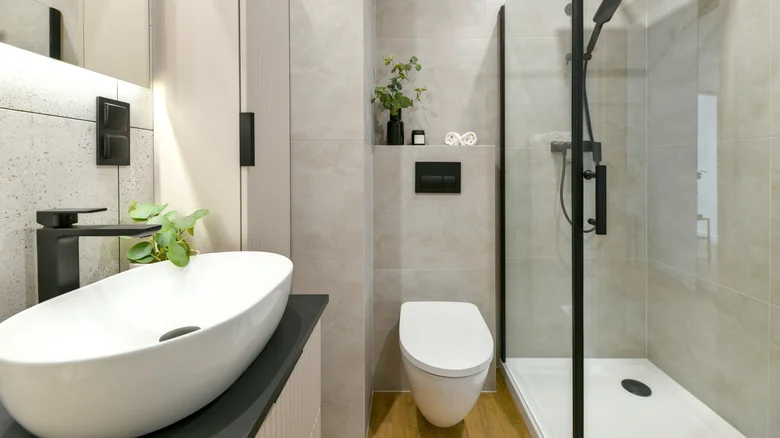
Shower Pan Liner Replacement Signs That Should Never Be Ignored
A small wet spot near your shower can turn into one of the most expensive problems in the house. Many homeowners notice early shower pan liner replacement signs and brush them off as normal bathroom moisture, especially when the tile still looks clean and the drain still works. That is where the trouble starts. A hidden liner failure does not announce itself with drama. It creeps under tile, into subfloors, behind baseboards, and sometimes into rooms below the bathroom. For homeowners trying to protect their property, reliable home maintenance guidance matters because the warning signs are often plain but easy to misread. In many U.S. homes, especially older houses with tiled showers, the liner is the quiet barrier that keeps water where it belongs. Once it fails, the shower may still look usable while the structure beneath it takes the hit. The smart move is not panic. It is knowing which clues deserve fast action before a repair becomes a rebuild.
Why Hidden Shower Leaks Start Long Before You See Damage
Most shower failures begin below the surface, not on the tile face. Water does not need a wide-open crack to cause trouble. It only needs a weak seam, a punctured liner, a clogged weep hole, or a slope problem that keeps moisture trapped under the floor.
Why Bathroom Moisture Can Fool Homeowners
Bathroom air always carries moisture, so people get used to dampness. A foggy mirror, wet grout, or a towel that dries slowly can feel normal after a hot shower. That habit makes it easy to miss the moment when everyday humidity crosses into hidden water damage.
The difference is persistence. Normal moisture dries. A leaking shower pan keeps feeding water into the same hidden area day after day. In a ranch home in Ohio, that might show up as a musty closet next to the bathroom. In a two-story house in Georgia, it might show as a faint ceiling stain under the shower weeks after the leak began.
Why Tile Can Look Fine While the Liner Fails
Tile is not the waterproofing system. Grout is not the waterproofing system either. Both can slow water, but neither replaces the liner underneath the shower floor. That gap between what looks solid and what actually protects the house is where many homeowners get caught.
A shower floor can look neat while water collects below it. The liner may be split near the curb, damaged around the drain, or poorly folded in a corner. The tile stays in place, so the owner assumes the shower is safe. Meanwhile, the subfloor keeps absorbing moisture like a sponge behind a painted wall.
Shower Pan Liner Replacement Signs Around the Floor and Drain
The floor tells the truth first if you know how to read it. Some signs are visible, some are felt underfoot, and some only appear after repeated showers. This is the point where paying attention can save thousands of dollars.
Standing Water That Refuses to Clear
Water should move toward the drain with purpose. It does not have to disappear in seconds, but it should not sit in shallow pockets long after the shower is off. When water lingers around corners or along the curb, the slope or liner system may be failing beneath the tile.
A common mistake is blaming only the drain. A slow drain can cause pooling, but a liner problem can hold moisture under the floor even when the drain pipe is clear. If the shower smells damp after cleaning and the floor never feels fully dry, you are looking at more than a small nuisance.
Loose Tile, Soft Spots, and Crumbling Grout
A shower floor should feel firm under your feet. Any soft give, rocking tile, or crunchy grout sound deserves attention. That movement often means the mortar bed has absorbed too much water or the structure under the pan has started to weaken.
Crumbling grout near the drain is another warning. Homeowners often regrout the same area again and again, then wonder why the problem returns. Fresh grout cannot fix a failed waterproof layer below it. It may buy a few weeks of better appearance, but the moisture path stays open.
Wall, Ceiling, and Odor Clues That Point to Deeper Trouble
Once water escapes the shower base, it rarely stays polite. It travels sideways, downward, and along framing. The damage may appear several feet from the shower, which makes the source easy to misread.
Musty Smells That Come Back After Cleaning
A clean bathroom should not smell earthy, sour, or stale every time the door stays closed. A returning odor often means moisture has reached material that cannot dry well. Wood, drywall backing, and insulation can hold that smell long after the tile surface looks spotless.
This is where many families waste money on stronger cleaners. They scrub grout, spray bleach, and add fans, but the smell returns because the source is below the shower floor. The nose catches what the eyes cannot yet prove.
Ceiling Stains Beneath an Upstairs Shower
A brown ring on the ceiling below a bathroom is never something to decorate around. It may look small, but water often spreads above drywall before staining through. By the time you see the mark, the leak may have traveled across joists or collected near a light fixture.
Homes in humid states can make this harder to judge because stains may seem like old roof or air-conditioning issues. The timing matters. If the mark darkens after showers, or if paint begins to bubble below the bathroom, the shower base belongs high on the suspect list.
When Age, Installation Errors, and Past Repairs Become Red Flags
Some failures are not sudden. They are built into the shower from day one or they arrive after years of use. A shower can survive a poor detail for a while, then fail once the materials stop forgiving it.
Older Showers With No Clear Repair History
An older tiled shower may have served the house well for decades, but no liner lasts forever under constant moisture, soap residue, movement, and cleaning chemicals. If you bought the home without knowing when the shower was built, age becomes part of the inspection.
Older U.S. homes often went through several rounds of cosmetic updates. New tile may have been installed over weak planning, or a previous owner may have repaired the surface without replacing the waterproofing. Fresh tile in an old bathroom can be a disguise, not proof of a sound shower.
Curb Leaks After Door or Glass Work
The shower curb takes abuse. People step on it, doors fasten into it, and glass installers sometimes drill into places that should never be pierced. A small screw hole through the liner can send water directly into the curb framing.
This problem often appears near the outside edge of the shower. Paint peels on the curb face. Baseboards swell near the bathroom floor. The tile at the threshold starts to loosen. The odd part is that the shower may drain well, yet the curb rots because water exits through the damaged liner instead of staying inside the pan.
What to Do Before the Damage Spreads
A smart response is calm but quick. You do not need to tear out a shower the first time you see a suspicious mark. You do need to stop guessing, document what you see, and decide whether the pattern points to a surface issue or a failed pan system.
Simple Checks Homeowners Can Do Safely
Start with observation, not demolition. Dry the shower fully, then watch what happens after one normal use. Look for water outside the curb, damp baseboards, new odors, loose floor tiles, and staining below the bathroom. Take photos with dates so you can tell whether the issue is growing.
Avoid sealing every crack with caulk as a first response. Caulk can trap moisture inside the system if water is already below the tile. A clean bead may improve the look while hiding the behavior you need to see. Better to understand the leak path before covering clues.
When a Professional Inspection Makes Sense
A licensed plumber, tile contractor, or waterproofing specialist can perform checks that go beyond guesswork. A flood test, drain inspection, and moisture reading can separate a clogged drain from a liner failure. That distinction matters because the repairs are not the same.
The best time to call is before the floor feels spongy or the ceiling opens up. Once framing, drywall, or insulation gets soaked, the job expands fast. At that stage, replacement signs are no longer warnings. They are evidence that the shower has already crossed the line.
Conclusion
A shower should be one of the most dependable parts of the home, but that confidence only holds when the hidden waterproofing still works. Small clues deserve respect because water is patient. It does not need speed to ruin wood, stain ceilings, loosen tile, or create odors that never stay gone. The smartest homeowners do not wait for dramatic failure. They notice patterns, compare changes, and act before the bathroom starts borrowing money from the rest of the house. When shower pan liner replacement signs appear, treat them as a serious home protection issue, not a cosmetic annoyance. Check what you can, document what changes, and bring in the right help when the pattern points below the tile. Your next step is simple: inspect the shower area today, and do not ignore the warning your house is already giving you.
Frequently Asked Questions
What are the first signs of a leaking shower pan liner?
Persistent damp smells, loose floor tile, crumbling grout near the drain, wet baseboards, and ceiling stains below the bathroom are common early clues. A single sign may not prove failure, but a pattern after shower use deserves prompt inspection.
Can a shower pan liner fail without visible tile cracks?
Yes. Tile and grout can look fine while the liner underneath has split, shifted, or been punctured. The surface may stay attractive while water moves into the mortar bed, curb, subfloor, or nearby wall framing.
How do I know if water under my shower floor is serious?
Water that does not dry, creates odor, loosens tile, or appears outside the shower area is serious. Normal shower moisture dries from the surface. Hidden moisture keeps returning because the waterproofing system is no longer controlling the water.
Should I regrout a shower floor with liner problems?
Regrouting may improve the surface, but it will not repair a failed liner. If moisture is coming from below the tile, new grout only hides the symptom for a short time. The waterproof layer must be inspected.
Why does my bathroom smell musty after every shower?
A musty smell after repeated cleaning often means moisture is trapped below the shower surface or inside nearby materials. Soap residue can smell, but a recurring earthy odor usually points to damp material that cannot dry fully.
Can a shower curb leak mean the liner is damaged?
Yes. Shower curbs are common failure points because screws, door tracks, poor folds, and worn corners can break the liner system. Peeling paint, swollen trim, or loose tile near the curb should never be dismissed.
How long does a shower pan liner usually last?
Lifespan depends on material quality, installation, shower use, house movement, and maintenance. A properly installed liner can last many years, but poor slope, punctures, clogged weep holes, or bad drain details can shorten its life sharply.
Do I need a plumber or tile contractor for shower pan liner issues?
Start with the professional who can test the suspected source. A plumber can check drains and perform leak testing, while a skilled tile or waterproofing contractor can assess pan construction. Many cases need both viewpoints before repair begins.