Smart Room Style Ideas for Cozy and Functional Spaces
A room can look polished in photos and still feel wrong the second you sit down. The real test is not whether the space impresses a guest for ten seconds; it is whether it supports your daily life without making you work around bad choices. Smart Room Style Ideas begin with that honest test: does the room help you rest, move, store, focus, gather, and breathe?
Good design is not reserved for huge homes or perfect floor plans. A small bedroom, rented apartment, narrow lounge, or awkward corner can still become warm and useful when every choice has a reason. Even small decisions, from furniture scale to wall color, can shift the mood of a space faster than people expect. For readers building a stronger home presence through thoughtful interiors and broader lifestyle visibility, a well-placed resource like modern home inspiration can also connect design thinking with how spaces are presented and shared.
The point is not to chase a showroom look. The point is to build rooms that feel lived in, calm, and ready for the life you already have.
Smart Room Style Ideas Start With How the Room Actually Works
Style fails when it starts with decoration instead of behavior. A room becomes easier to love when you study what happens inside it before you buy a chair, paint a wall, or add another shelf. That sounds less exciting than picking colors, but it saves money, space, and a fair amount of regret.
Cozy room layout ideas that remove daily friction
A good layout feels almost invisible because nothing fights you. You can cross the room without twisting around furniture, reach the lamp from the sofa, place a drink near your chair, and open drawers without moving a stool first. Those small comforts matter more than another decorative object on a shelf.
A living room with one oversized sofa pushed against the wall may look safe, yet it can make conversation feel stiff. Pulling furniture slightly inward often creates a warmer zone, even in a small home. A rug under the front legs of the seating, a side table near each seat, and a clear walking path can make the room feel planned instead of packed.
The unexpected part is that empty space often does more for comfort than added furniture. People panic when a corner has nothing in it, so they fill it with a plant stand, basket, or spare chair nobody uses. Leave some areas open. A room needs breathing room the same way a sentence needs punctuation.
Functional small space design with smarter zones
Small rooms punish vague decisions. When one corner tries to be a reading area, storage zone, work desk, and laundry landing strip, the whole room starts to feel tired. The fix is not always more square footage; it is clearer boundaries.
A studio apartment can feel calmer when the bed area has a low shelf, curtain, rug, or lighting change that separates it from the sitting area. A bedroom desk can work better when it faces away from the bed, so your mind does not drag work into rest. Functional small space design depends on visual signals that tell your brain what each area is for.
Multi-use pieces help, but only when they solve a real problem. A storage ottoman near the sofa earns its place if it holds blankets and works as a footrest. A fold-down desk earns its place if you close it after work. Furniture that promises five functions but performs none well becomes clutter wearing a clever disguise.
Build Warmth Through Texture, Light, and Personal Detail
Once the room works, mood becomes the next layer. Warmth does not come from buying everything in beige or filling the room with candles. It comes from contrast, touch, memory, and light that flatters the people living there.
Cozy home decor ideas that feel collected, not staged
A cozy room needs texture before it needs more objects. Linen curtains, a wool throw, matte ceramics, wood grain, woven baskets, and a soft rug all add depth without shouting. When a space feels cold, the problem is often not the color palette. The surfaces may be too flat, glossy, or similar.
Personal detail matters, but it has to be edited. One framed travel photo beside a lamp can feel intimate. A shelf crowded with twenty unrelated items can feel like a storage problem. Cozy home decor ideas work best when each visible piece gives the eye somewhere to pause.
The strongest rooms often mix one imperfect object into a cleaner setting. A slightly worn wooden stool, a handmade bowl, or a vintage mirror can keep the space from feeling copied. New furniture can look stiff when everything arrives from the same catalog. A room needs a little history, even if you have to build that history slowly.
Warm lighting for rooms that changes the whole mood
Lighting can rescue an average room and expose a lazy one. A single ceiling light usually throws harsh shadows, flattens texture, and makes everyone look like they are waiting in a clinic. Layered lighting does the opposite. It gives the room depth and lets the mood change across the day.
Use three kinds of light where possible: general light for movement, task light for reading or work, and accent light for atmosphere. A table lamp near a sofa, a floor lamp beside a chair, and a small light on a shelf can make the room feel richer without adding clutter. Warm lighting for rooms should feel gentle, not dim to the point of annoyance.
The counterintuitive move is to light corners rather than only the center. A softly lit corner makes a room feel larger because the eye can travel farther. Dark corners shrink a space, even when the floor area is generous. Light tells the room where to open.
Choose Furniture That Respects Scale and Storage
Furniture carries the weight of the whole room. Paint can shift mood and accessories can add charm, but furniture decides whether the space feels generous or jammed. The wrong scale can make an expensive room feel clumsy.
Functional small space design without visual heaviness
Scale is not only about measurements. A sofa may fit against the wall and still feel too bulky because its arms are thick, its back is high, or its legs disappear into the floor. Pieces raised on slim legs often make a room feel lighter because you can see more floor beneath them.
A narrow room benefits from furniture with clean profiles and fewer chunky edges. In a compact sitting area, two lighter chairs may work better than one massive sectional. Functional small space design becomes easier when furniture supports movement instead of sitting like a parked car in the middle of the room.
Storage should also hide effort, not advertise it. Closed cabinets calm a room faster than open shelves packed with daily items. Open storage works best for things worth seeing: books, ceramics, folded throws, or baskets with a clean shape. Nobody needs to admire a tower of charger cables.
Smart storage choices that protect the style
Clutter is not a moral failure. It is usually a storage failure. When a room has no place for keys, mail, toys, blankets, remotes, or chargers, those items will land wherever gravity allows. The room then looks messy even when nobody did anything wrong.
The best storage sits near the behavior it serves. Put a slim console near the entry if bags and keys pile there. Add a lidded basket beside the sofa if blankets drift across the room. Use drawer dividers in a bedside table if small items keep turning into a private junk museum.
A common mistake is buying storage after the mess appears. Better storage starts with noticing the repeat offender. The pile that returns every week is telling you what the room needs. Listen to that pile. It is more honest than a mood board.
Finish the Room With Color, Balance, and Real-Life Editing
The final layer is where many rooms go off track. People add more because the room feels unfinished, when the real answer may be editing, contrast, or one stronger design decision. A finished room does not mean every wall, shelf, and corner must speak.
Room color palette tips for calm and character
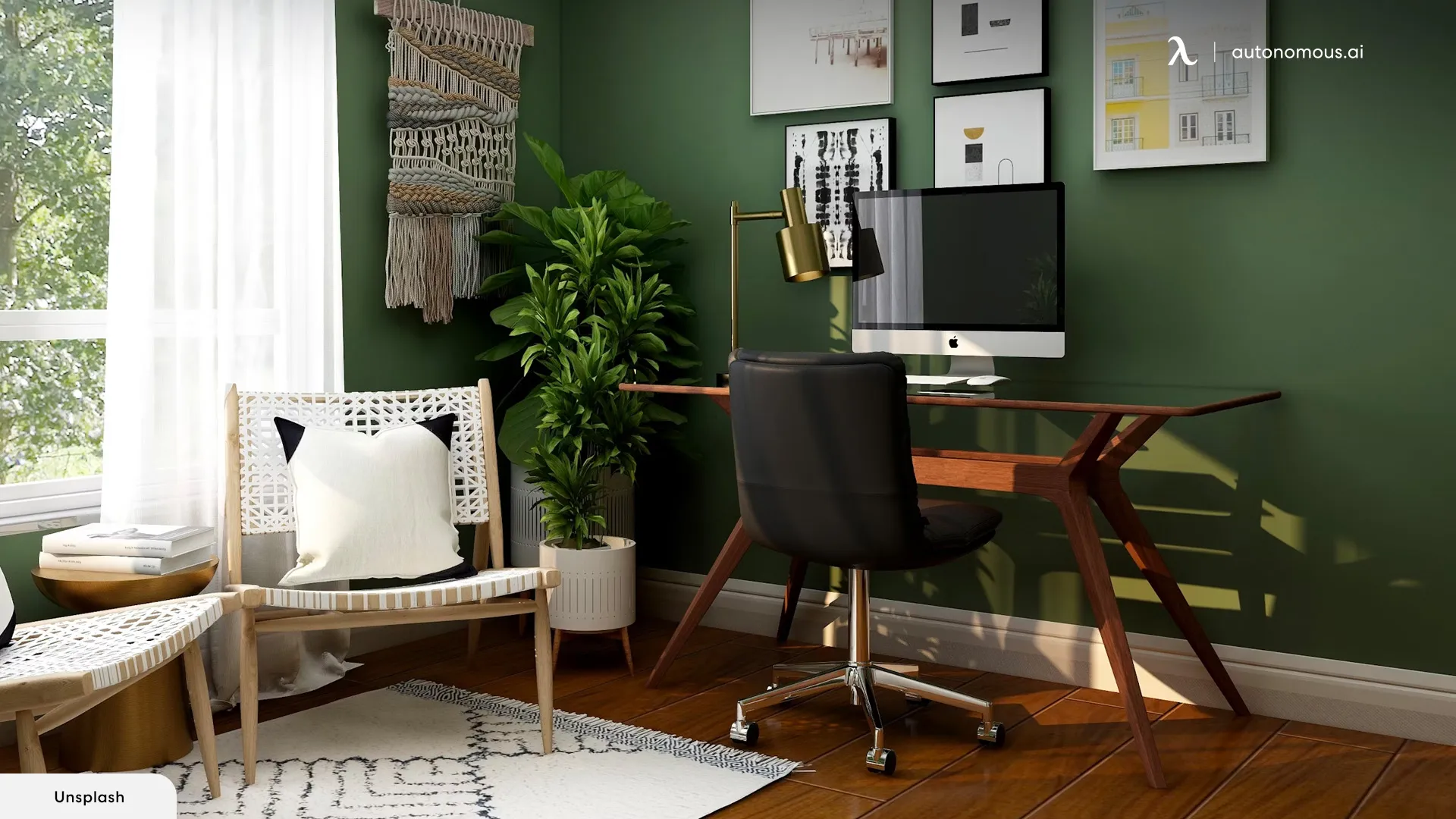
Color works best when it has a job. Soft neutrals can calm a bedroom, deeper tones can make a dining area feel intimate, and muted greens or blues can bring steadiness to a work corner. Room color palette tips should never begin with trend charts. They should begin with the feeling the room needs to carry.
A useful rule is to choose one main color family, one supporting tone, and one accent that appears in smaller doses. That accent might show up in a cushion, artwork, vase, or lampshade. Repeating it lightly across the room creates order without making the space feel matched to death.
Paint also changes under real light, so test before committing. A warm white can turn yellow at night. A gray can look blue in a north-facing room. A color that looks perfect on a screen may fall apart on your wall by 4 p.m. The wall always gets the final vote.
Cozy home decor ideas for editing the final look
The last stage asks for restraint. Step back and remove anything that does not support comfort, function, memory, or beauty. That may sound severe, but editing is where a room gains confidence. A crowded room begs for attention; a balanced room holds it.
Group smaller items instead of scattering them everywhere. Three pieces on a tray can look intentional, while the same three objects spread across a table may look forgotten. Cozy home decor ideas become stronger when the eye can understand the arrangement without working hard.
One sharp test helps: take a photo of the room from the doorway. Photos flatten a space, so clutter and imbalance become easier to see. If one side looks heavy, move height or color across the room. If everything sits at the same level, add a taller lamp, branch arrangement, or vertical artwork. Balance is not symmetry. It is a sense that the room can stand on its own.
Conclusion
A beautiful room is not built from a shopping list. It is built from attention: how you move, where your eyes rest, what you touch every day, and which corners make you feel calm or irritated. That kind of attention beats trend-chasing because it creates a space that keeps working after the first thrill fades.
Smart Room Style Ideas matter because they ask more from a room than surface appeal. They push you to make the layout easier, the lighting kinder, the storage smarter, and the final details more personal. That is where style becomes useful instead of decorative noise.
Start with one room and fix the thing that bothers you most. Move the chair, change the lamp, clear the surface, test the color, or add storage where the mess keeps returning. One honest improvement can shift the whole room, and that is how a home begins to feel designed instead of decorated.
Frequently Asked Questions
What are the best room style ideas for a small home?
Start with layout, not decor. Choose furniture with lighter profiles, keep walkways open, use closed storage, and create zones with rugs or lighting. A small home feels better when every item has a clear role and no piece blocks daily movement.
How can I make a room feel cozy without adding clutter?
Add texture through fabric, wood, woven pieces, rugs, and soft lighting. Keep surfaces edited so the room feels warm rather than crowded. A few personal pieces with meaning will do more than a shelf full of objects competing for attention.
What are easy cozy room layout ideas for beginners?
Pull seating slightly away from the walls, place tables within easy reach, and keep a clear path through the room. Anchor the main seating area with a rug and add lighting near where people sit, read, or relax.
How do I choose a room color palette that feels calm?
Pick one main color, one supporting shade, and one small accent. Test paint samples in morning, afternoon, and evening light before deciding. Calm rooms usually come from controlled contrast, not from using pale colors everywhere.
What furniture works best for functional small space design?
Choose pieces that fit the room’s scale and serve more than one real purpose. Raised legs, slim arms, nesting tables, wall shelves, and storage ottomans can help. Avoid bulky furniture that technically fits but makes movement feel tight.
How can warm lighting for rooms improve the atmosphere?
Warm lighting softens shadows, adds depth, and makes a room feel more relaxed. Use more than one light source instead of relying only on the ceiling fixture. Table lamps, floor lamps, and small accent lights create a gentler evening mood.
What cozy home decor ideas work for rented spaces?
Use rugs, curtains, removable wall hooks, lamps, cushions, artwork, and freestanding shelves. These pieces add warmth without permanent changes. Focus on texture and lighting first, because they make the biggest difference without risking damage.
How do I know when a room is finished?
A room feels finished when it supports daily life, looks balanced from the doorway, and has no area that feels ignored or overcrowded. Take a photo, remove one unnecessary item, and check whether the room feels calmer. Often, finished means edited.