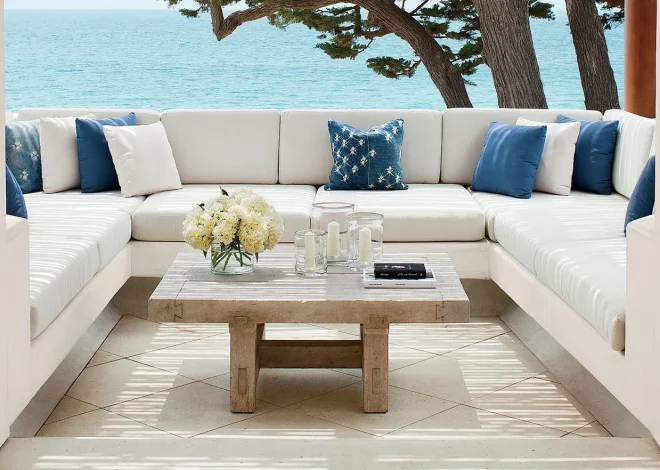
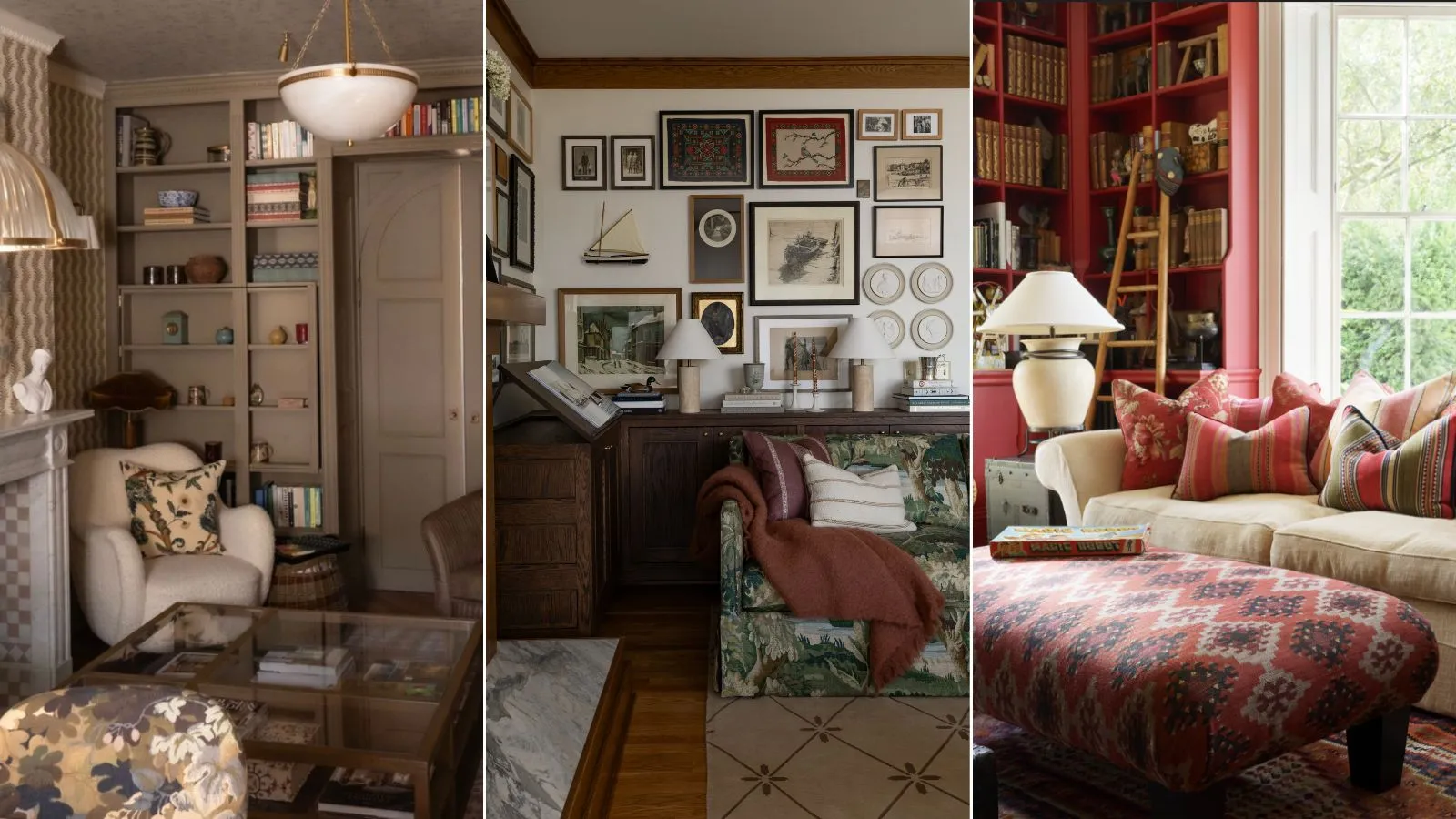
Top Room Style Trends for Comfortable Daily Living
A room can look expensive and still feel wrong the second you sit down. The spaces people enjoy most are no longer built around showroom polish; they are shaped around morning routines, quiet evenings, messy family rhythms, and the small comforts that make a home feel steady. That shift is why room style trends now lean toward warmth, flexibility, and lived-in beauty instead of stiff perfection. A good room should help you breathe easier, move better, and feel more like yourself by the end of the day.
Comfort has stopped being an afterthought. People want rooms that work hard without looking busy, soothe without looking bland, and hold personality without turning into visual noise. That takes more than buying a new chair or painting a wall. It takes choices that respect how life actually happens at home. The best ideas for home design visibility now grow from one honest question: does this space support the way you live when nobody is watching?
Room Style Trends That Make Comfort Feel Intentional
Comfort once meant soft pillows and a bigger sofa, but that definition feels too thin now. A room can be soft and still awkward, full of furniture and still empty, decorated and still cold. The strongest interiors today treat comfort as a design decision, not a mood that appears by accident. That means every object has to earn its place through feel, use, scale, and emotional pull.
Comfortable Daily Living Starts With Better Room Flow
A room becomes easier to live in when movement feels natural. You should not have to turn sideways around a coffee table, dodge a floor lamp, or drag a dining chair across a tight corner every evening. Small points of friction add up until the room starts bossing you around.
The best layouts leave breathing room around the actions you repeat most. In a living room, that may mean giving the sofa more space from the table so people can pass without interrupting conversation. In a bedroom, it may mean moving a storage bench away from the wardrobe so getting dressed does not feel like a negotiation.
Comfortable daily living depends on these invisible decisions. Nobody praises a clear walkway in a room tour, yet everyone feels the difference when the space lets them move without thought. That is the hidden luxury people remember.
Cozy Living Spaces Need Boundaries, Not Clutter
A cozy room does not need to be packed. Too many people mistake fullness for warmth, then wonder why the space feels heavy by night. Real coziness comes from definition: a reading corner that feels protected, a seating area that invites talk, or a rug that quietly marks where the room gathers itself.
One strong example is a long open-plan room where the sofa floats in the middle instead of hugging the wall. Add a rug beneath the seating area, place a narrow console behind the sofa, and suddenly the room has a center. Nothing dramatic happened, but the space now knows what it is doing.
Cozy living spaces work best when each zone has a reason to exist. A chair by the window should have a lamp and a surface for a cup. A family corner should welcome blankets without turning into a laundry pile. Warmth needs structure, or it slips into mess.
Materials, Textures, and Colors That Feel Good Every Day
Once the layout stops fighting you, the room’s surfaces start to matter more. The things your hand touches, your eye rests on, and your body sinks into shape the daily mood of the home. Color may catch attention first, but texture keeps the room alive after the novelty fades.
Modern Room Design Is Moving Away From Flat Perfection
Glossy, flawless rooms photograph well, but they often feel nervous in real life. One fingerprint on a shiny cabinet, one scratch on a polished table, and the whole room starts looking wounded. That is why modern room design is shifting toward finishes that age with grace: limewash walls, matte wood, woven shades, stone with movement, and fabrics that do not panic at daily use.
A family room with a matte oak table, linen curtains, and a wool-blend rug can handle living better than a room full of glass and high-gloss surfaces. Marks do not disappear, but they blend into the story instead of shouting from across the room. That is not laziness. It is wisdom.
Modern room design also works better when contrast comes from touch, not noise. Pair a smooth wall with a nubby chair, a soft throw with a firm wood armrest, or a sleek lamp with a handmade ceramic base. The room gains depth without begging for attention.
Home Comfort Ideas Begin With Colors You Can Live With
Color trends often tempt people into choices they cannot stand six months later. A dramatic shade may look sharp in a saved photo, then feel bossy once it surrounds your breakfast, your laundry, and your late-night emails. Better color decisions start with stamina, not excitement.
Home comfort ideas now favor grounded palettes with character: warm whites, clay, muted olive, soft brown, smoky blue, and gentle terracotta. These colors hold mood without locking the room into a theme. They also play well with changing seasons, which matters when you do not want to redecorate every time the weather shifts.
A useful test is simple. Look at a color in the morning, afternoon, and evening before committing. Paint changes with light, and a tone that feels calm at noon can turn muddy after sunset. Good color does not need to perform all day; it needs to stay honest.
Personal Details Are Replacing Perfect Matching
After color and texture, personality decides whether a room feels like yours or like a staged rental. Matching sets once promised safety, but they often drain a space of life. The rooms people return to with affection usually contain small contradictions: an old chair beside a new lamp, a family photo near abstract art, a plain shelf holding one strange object with a story.
Cozy Living Spaces Feel Better With Human Evidence
A room without signs of life may look controlled, but it rarely feels welcoming. A stack of books, a handmade bowl, framed travel tickets, or a slightly worn leather chair tells the eye that someone belongs here. That evidence matters because people relax faster in rooms that do not demand perfect behavior.
The trick is not to display everything. A room stuffed with memories can become visual static. Choose the pieces that still carry meaning, then give them space. One framed note beside a lamp can say more than an entire wall of random prints.
Cozy living spaces should make room for use, not only display. A blanket basket near the sofa, a low tray for remotes, or a side table with space for a real mug makes the room kinder. Beauty feels better when it does not punish ordinary life.
Comfortable Daily Living Improves When Storage Has Style
Storage often gets treated like a separate problem, but it shapes the whole emotional tone of a room. A beautiful space with nowhere to put chargers, toys, mail, or extra blankets will collapse by Wednesday. Design has to make room for the unglamorous stuff.
Closed storage works best for items that multiply quickly. Think games, cables, cleaning cloths, paperwork, or children’s supplies. Open storage should hold the things worth seeing, like ceramics, books, baskets, or folded textiles. When everything visible has a reason, the room starts to feel calm without becoming sterile.
Comfortable daily living also depends on where storage sits. A basket across the room from where blankets are used will fail. A drawer far from the entry will not hold keys for long. Good storage does not ask people to become more disciplined; it meets habits where they already live.
Smarter Room Choices for Long-Term Ease
A stylish room should not expire after one season. The strongest homes are built through choices that can bend, age, and adapt without forcing constant replacement. This is where taste becomes more mature. You stop chasing every new look and start asking which changes will still make sense after real life has pressed on them.
Modern Room Design Works Best With Flexible Pieces
Furniture that only works one way can become a problem as life changes. A huge sectional may feel perfect now, then block a future desk, play area, or reading chair. A tiny accent table may look cute, then fail every time guests arrive with plates and drinks. Flexibility keeps style from turning into a trap.
Modern room design benefits from pieces that can move between roles. A bench can sit at the foot of a bed, slide under a window, or serve extra dining guests. Nesting tables can spread out during company and tuck away later. A storage ottoman can hold blankets while acting as a footrest or casual table.
The unexpected insight is that flexible rooms often look more relaxed, not less designed. They have enough intention to feel finished and enough looseness to absorb change. That balance is what keeps a home from feeling frozen.
Home Comfort Ideas Should Respect Light, Sound, and Rest
Visual style gets most of the attention, but the body notices other things first. Harsh overhead lighting can ruin a beautiful room. Echo can make a large space feel cold. A bedroom with lovely furniture but poor curtains will still fail the person trying to sleep there.
Home comfort ideas should begin with the senses people often ignore. Layer lighting with floor lamps, table lamps, and dimmable bulbs so the room can shift from work to rest. Add rugs, curtains, cushions, and upholstered pieces to soften sound. Use window treatments that match the room’s purpose rather than choosing them only for looks.
A good example is a small apartment living room that doubles as a work zone. Bright light helps during the day, but evening needs softer pools of light near the sofa and shelves. Once the room can change its mood, it stops feeling like one blunt space and starts supporting several kinds of life.
Conclusion
The best rooms do not chase attention; they earn loyalty through daily ease. A chair in the right place, a color that stays calm at night, a table that survives real use, and storage that respects your habits can change how a home feels more than any dramatic makeover. That is the quiet power behind thoughtful room style trends today.
You do not need to rebuild every room at once. Start with the place that irritates you most, because irritation is often the clearest design brief you will ever get. Move one piece of furniture, soften one light source, clear one surface, or bring in one texture that makes the space feel warmer. Then watch how the room responds.
A comfortable home is not finished when it looks complete. It is finished when it supports your life so well that you stop noticing the design and start enjoying the day inside it.
Frequently Asked Questions
What are the best room style trends for small homes?
Small homes benefit from flexible furniture, lighter visual weight, layered storage, and clear walking paths. Choose pieces with legs, rounded edges, and more than one use. A compact room feels larger when each item has a job and no corner becomes dead space.
How can I make comfortable daily living easier through room design?
Start with the habits you repeat every day. Place storage where clutter actually appears, improve lighting where you read or work, and create clear paths between furniture. Daily comfort improves when the room supports behavior instead of forcing you to fight the layout.
Which cozy living spaces ideas work without making a room crowded?
Use texture, warm lighting, rugs, and defined seating zones instead of adding too many objects. A cozy room needs softness and purpose, not piles of decor. Keep surfaces edited, then add warmth through fabric, wood, baskets, and personal pieces with meaning.
What modern room design choices stay stylish longer?
Simple furniture shapes, natural materials, matte finishes, and balanced colors tend to age well. Avoid pieces that depend on one loud trend to feel interesting. Long-lasting design usually comes from proportion, comfort, and texture rather than novelty.
How do home comfort ideas improve a rental room?
Focus on changes you can take with you: curtains, rugs, lamps, removable wallpaper, art, and freestanding storage. These choices soften the space without permanent work. Better lighting and textiles can make a rental feel personal even when walls and floors stay unchanged.
What colors are best for comfortable daily living rooms?
Warm neutrals, muted greens, soft blues, clay tones, and gentle browns work well because they calm the eye without feeling flat. Test colors at different times of day before choosing. Light can turn a shade from peaceful to dull faster than expected.
How can I update a room style without buying new furniture?
Rearrange the layout, change lamp placement, edit accessories, swap textiles, and restyle shelves with fewer stronger pieces. A room often feels tired because its balance is off, not because everything is outdated. Better spacing can feel like a full refresh.
What is the easiest way to make a room feel more personal?
Display fewer items, but choose ones with real meaning. A framed family photo, a handmade bowl, favorite books, or a travel piece can carry more warmth than generic decor. Personal style feels strongest when the room shows evidence of your life without becoming cluttered.